 NL
NL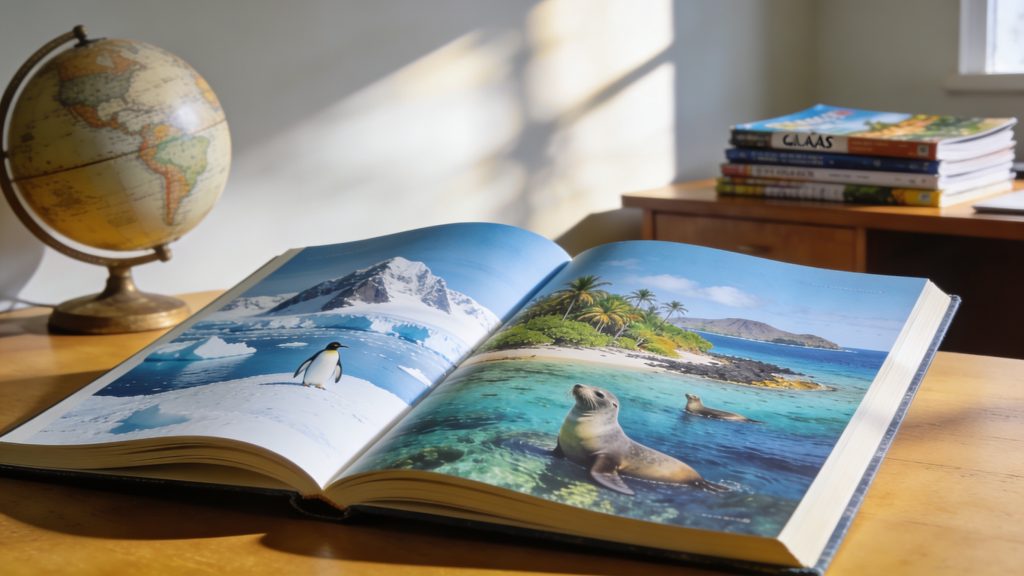
Antarctica captivates with polar landscapes and penguins in the cold, the Galápagos fascinate with tropical biodiversity and evolutionary wildlife. Both destinations offer a unique expedition cruise, but they differ greatly in character, travel intensity and experience of nature. The question is: which suits your preparation, budget and travel style?
How do Antarctica and the Galápagos differ from each other
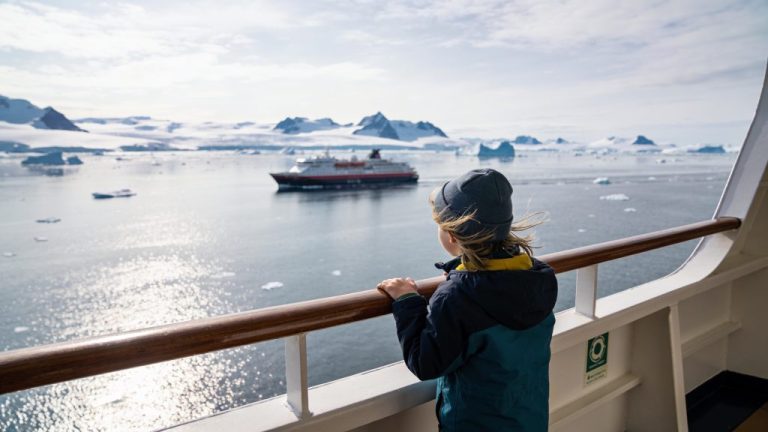
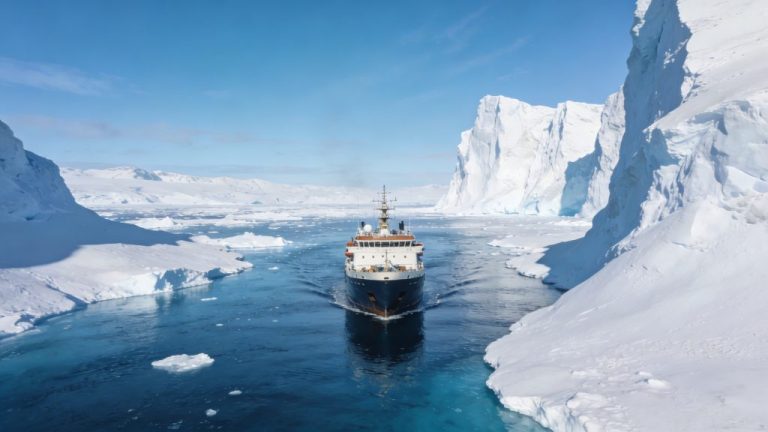
Antarctica is a polar destination with ice floes, emptiness and a sense of remote wilderness. You travel through extreme conditions with temperatures around or below freezing. The focus is on icy landscapes, seals, whales and penguin colonies. The trip is often longer and the crossing can be tougher.
The Galápagos lie in tropical waters off the coast of Ecuador. You will find volcanic islands with unique species such as giant tortoises, blue-footed boobies and marine iguanas. The climate is pleasantly warm and the journey generally feels more accessible. Expedition cruises to the Galápagos combine wildlife watching with snorkelling and hiking.
Antarctica demands more of your fitness and flexibility. The route depends on weather influences and ice conditions. The Galápagos offer more predictability and shorter sailing distances between islands. Both destinations require advance planning, but in different ways.
‘ Animals are tame because they pay little attention to people. ’
Which animals will you see and what is the experience like
In Antarctica, wildlife is all about adapting to extreme cold. You will see different penguin species, such as gentoo and emperor penguins. Whales, seals and albatrosses are also regularly spotted. Numbers can be large, but species diversity is limited.
In the Galápagos biodiversity is greater and the experience more intimate. Animals are tame because they pay little attention to people. You walk past iguanas, swim with sea lions and spot frigatebirds up close. Snorkelling gives you access to sharks, turtles and colourful fish.
Antarctica mainly offers a landscape experience with wildlife as an important component. The Galápagos revolve around the animals themselves and their unique evolutionary characteristics. Depending on your interests, you choose polar atmosphere or tropical abundance of species.
What are the practical differences in travel duration and access
An expedition cruise to Antarctica usually departs from Ushuaia in Argentina. The crossing via the Drake Passage takes two days and is known for rough seas. The entire trip often takes 10 to 14 days. Shorter or longer routes are possible, but due to the distance the travel time remains considerable.
To reach the Galápagos you first fly to Ecuador and then on to the islands. Cruises range from 4 to 8 days, though there are longer combination itineraries as well. The crossings between islands are shorter and the sailing area is calmer. You can also opt for a land tour on inhabited islands, but a cruise gives you access to remote locations.
Antarctica requires more time and you have to take seasickness into account. The Galápagos fit more easily into a shorter holiday and combine well with a trip through Ecuador. For both, thorough planning is important due to availability and seasonal influences.
When is the best time to travel to both destinations
Antarctica is accessible during the southern summer, roughly from November to March. In November and December you see more ice and nesting penguins. January and February are popular for their longer days and very active wildlife. In March the chances of seeing whales increase, but the days become shorter and cooler.
The Galápagos can be visited all year round. The dry season runs from June to November and offers clear weather and good visibility. From December to May it is warmer and greener, with calmer seas for snorkelling. Each season has its own advantages, depending on what you want to see.
Choose your travel dates based on your priorities. Do you want to see penguin chicks and polar landscapes? Then Antarctica in the early season is your best choice. Are you looking for snorkelling opportunities and tropical nature? Then the Galápagos are easier to fit in. Check in advance which activities and animal species are best seen in which period.
‘ Antarctica is suitable for travellers looking for a tougher expedition and ready for harsh conditions and long days at sea. ’
How demanding are both trips physically and mentally
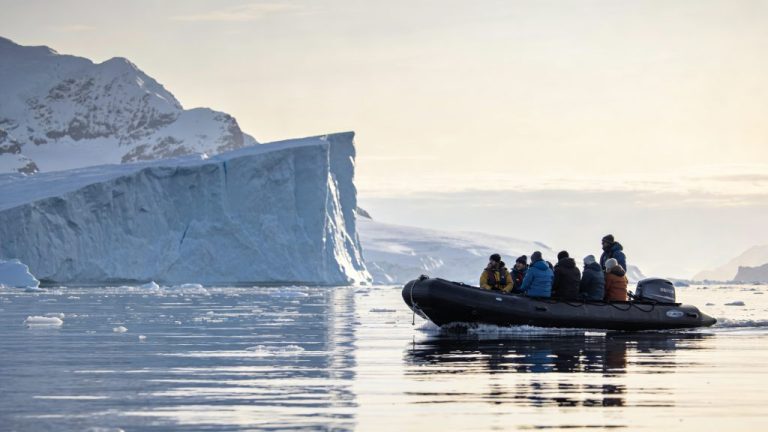
Antarctica demands more of your stamina. The Drake Passage can cause seasickness and the cold requires suitable clothing and mental resilience. Zodiac landings require agility and the route can change due to weather influences. You must be able to deal flexibly with unpredictable conditions.
The Galápagos are generally easier to access. The climate is warm and the daily excursions are short and varied. Snorkelling and hiking do not require extreme fitness. Group sizes are often smaller and the overall intensity of the trip feels lower. However, strict nature protection rules apply, which you must respect.
For beginners, the Galápagos are often the better choice. The mix of comfort, warmth and accessibility makes the journey less demanding. Antarctica is suitable for travellers looking for a tougher expedition and ready for harsh conditions and long days at sea.

Which ship type and cruise structure suit which trip
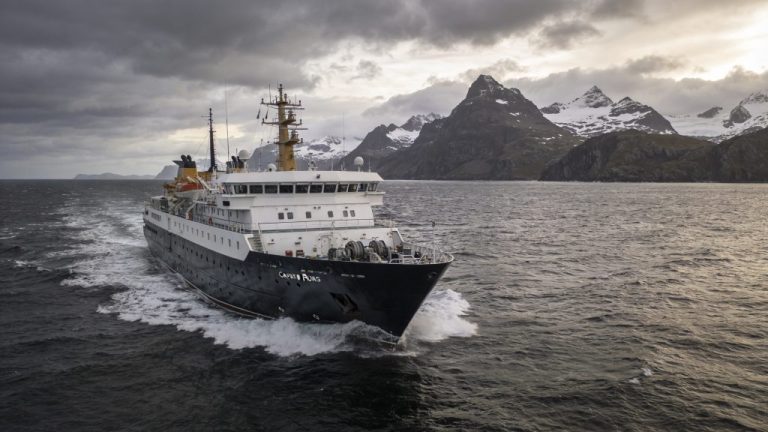
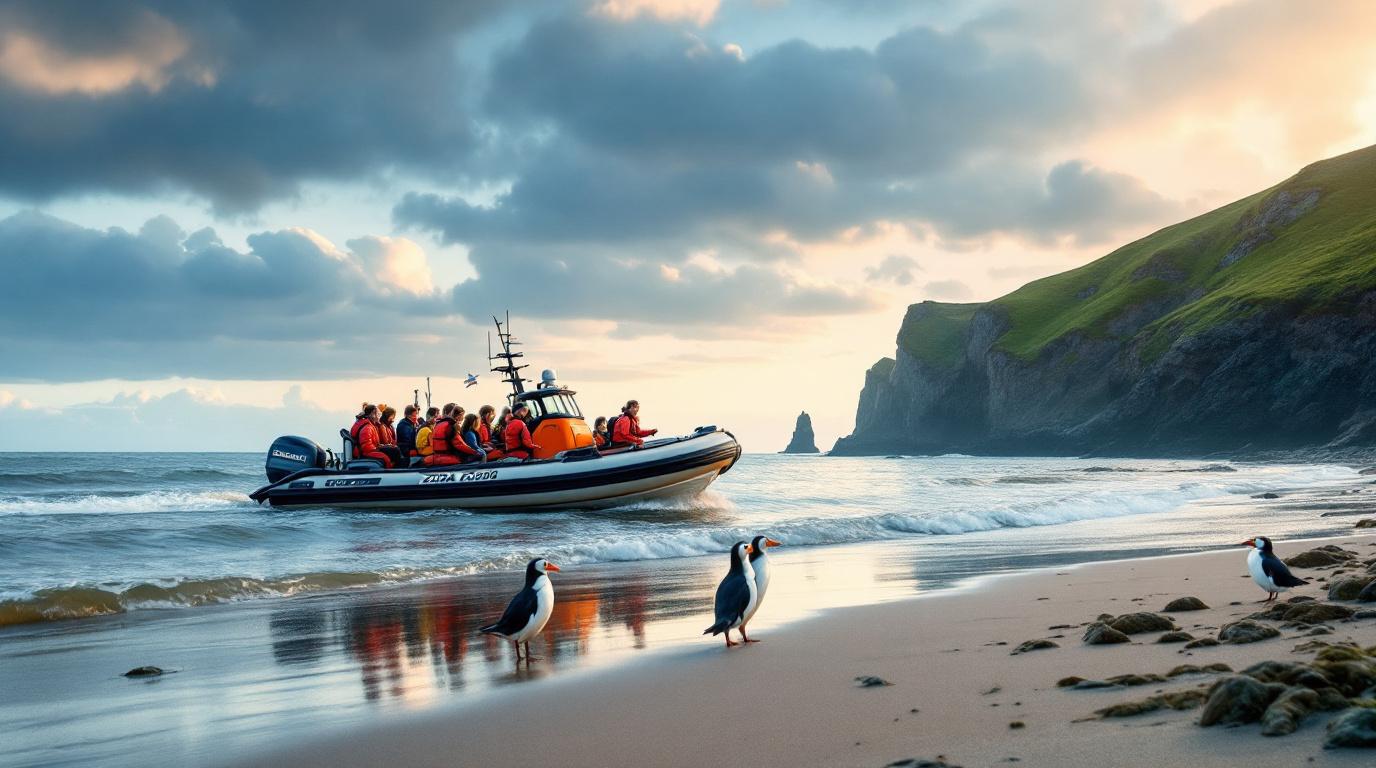
In Antarctica, mainly medium-sized expedition ships operate. Smaller ships offer more flexibility for zodiac landings and access to remote locations. Larger ships sometimes have restrictions due to regulations on group sizes during landings. The daily schedule depends on weather and ice conditions.
Galápagos cruises often use smaller ships with limited capacity. This creates a calmer experience and more personal guidance. Guides are compulsory and play a major role in the quality of your trip. Land excursions are frequent but short, with multiple activities each day.
For both destinations the following holds true: the smaller the ship, the stronger the expedition feel. Comfort and adventure need to be in balance. Check in advance which facilities, group size and excursion options belong to the ship. This directly influences your experience.
What are the differences in budget and total costs
Antarctica is generally more expensive because of the longer distance, logistical challenges and the limited season. Cruises usually start from several thousand euros per person. On top of that come flights to South America, overnight stays in Ushuaia, clothing and equipment.
The Galápagos are also pricey, but the total costs can sometimes be easier to control. You need domestic flights to the islands and you pay an entrance fee for the national park. Cruise duration is often shorter, which affects the price per day. Snorkelling and diving activities may entail additional costs.
For both destinations, factor in not only the cruise price but also:
- International and domestic flights
- Hotel nights before and after the cruise
- Transfers and entrance fees
- Clothing rental or purchase of specialised equipment
- Tips and optional excursions
Plan a generous budget. Both trips are an investment, but Antarctica generally requires a higher total amount.
‘ On the Galápagos, strict rules apply regarding distance to animals and protection of fragile ecosystems. ’
What should you prepare and bring for each destination
For Antarctica, layered clothing is essential. Bring thermal base layers, fleece, a wind- and waterproof jacket, gloves and a good hat. Sturdy walking shoes with good grip are important for zodiac landings. Don’t forget binoculars and a camera with extra batteries, as the cold drains batteries faster.
To the Galápagos, bring light, breathable clothing. Sun protection is important because of the strong sun, even at sea. Snorkelling gear is often provided on board, but your own equipment may be more comfortable. A good camera and binoculars are valuable here too.
For both trips the following applies: prepare for weather influences and respect the local rules. In Antarctica, the cold requires extra attention to warmth and safety. On the Galápagos, strict rules apply regarding distance to animals and the protection of fragile ecosystems.
Which destination suits which type of traveller
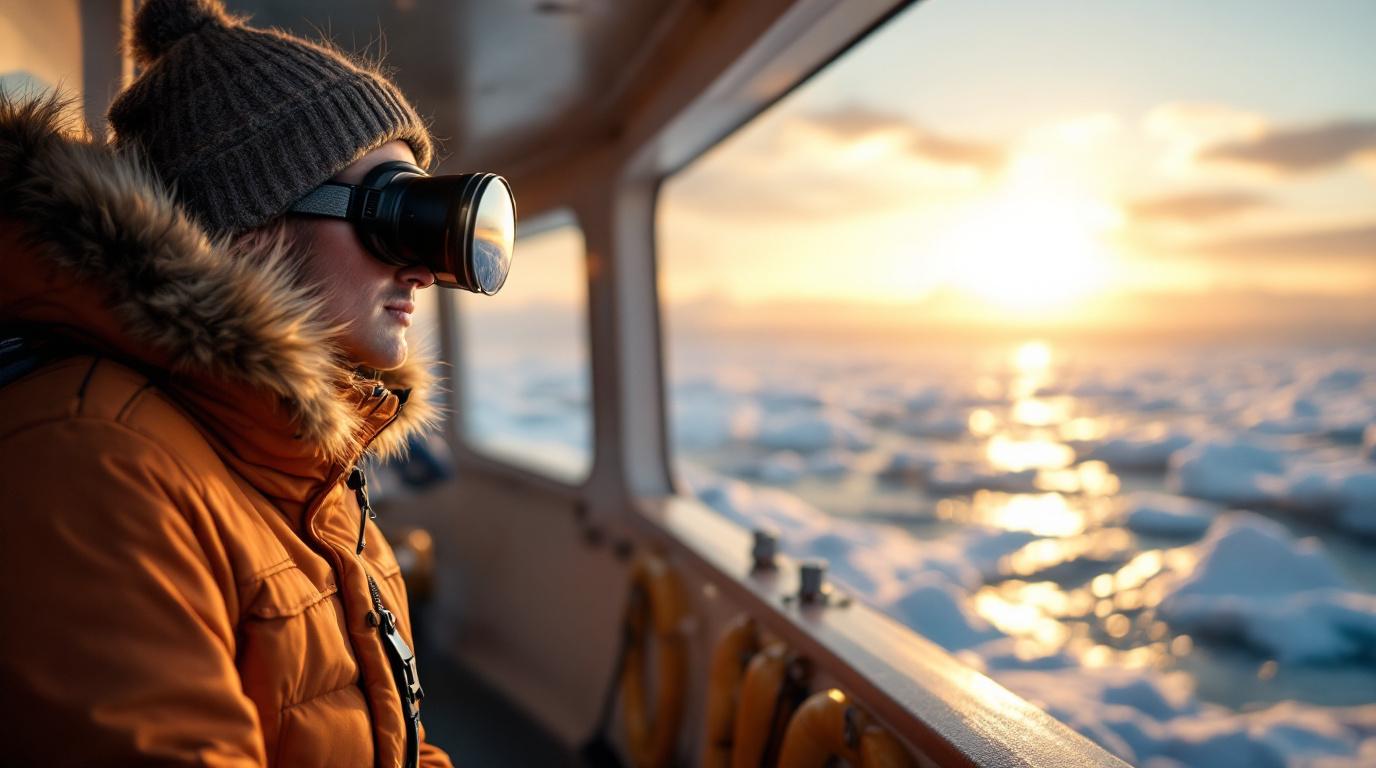
Antarctica is suitable for travellers who want to make a once-in-a-lifetime expedition. You must be prepared for tougher conditions and not be afraid of cold or seasickness. The focus is on landscapes, polar atmosphere and the power of extreme nature. This trip requires time, budget and physical preparation.
The Galápagos suit travellers who want to see species-rich wildlife up close in a more accessible climate. You enjoy varied activities such as hiking and snorkelling. The trip feels more comfortable and is suitable for a broader audience, even if you have no prior experience with expedition cruises.
If you want polar adventure and icy landscapes, choose Antarctica. If you prefer tropical biodiversity and proximity to unique species, the Galápagos are the more obvious choice. Both trips require thorough preparation, but differ strongly in character and intensity.
Which choice do you make based on your travel style
Your choice depends on what you want to experience and how much you are willing to commit. Antarctica offers the rougher side of expedition travel, with a strong focus on landscape and extreme conditions. The Galápagos give you a diverse nature adventure in a more pleasant environment with plenty of interaction with wildlife.
Also consider your available time and budget. Antarctica requires more of both. The Galápagos are easier to combine with other travel plans in South America. Both destinations offer unforgettable moments, but in completely different ways.
On the Traveler Tips website you will find more information about cruises, nature destinations and practical preparation for long journeys. Discover tips about routes, regulations and the best time to travel for your next expedition.
Frequently asked questions
The travel pace to Antarctica is generally calmer, with longer days at sea and fewer but more intensive landings, whereas in the Galápagos distances are shorter and you go ashore more often each day. In Antarctica it is mainly about zodiac cruises, landings at penguin colonies and experiencing icy landscapes, while in the Galápagos you do a lot of hiking, snorkelling and visiting different islands. The experience in Antarctica feels more like a rugged, remote expedition in extreme cold, with an emphasis on vast nature and silence. The Galápagos, on the other hand, offer a warmer, more accessible nature trip with very close wildlife encounters and great biodiversity.
For Antarctica you usually need to plan long international flights to, for example, Ushuaia or Punta Arenas, plus extra margin for delays, whereas for the Galápagos you travel via Quito/Guayaquil and book short domestic flights to the islands. Polar conditions in Antarctica require specialised gear such as thermal base layers, water- and windproof outer layers, boots, hat, gloves and possibly rented expedition gear. For the Galápagos, light tropical clothing, good walking shoes or sandals, sun protection and snorkelling equipment (often available to hire or included on board) are sufficient. Logistically, Antarctica is therefore more demanding and technical, while the Galápagos are easier to arrange and more comparable to another tropical nature trip.
On an expedition cruise to Antarctica you can expect huge penguin colonies, seals and often whales, against a backdrop of gigantic icebergs, glaciers and an empty, white polar landscape that feels like the “end of the world”. In the Galápagos you will instead see a much greater variety of species – such as giant tortoises, marine iguanas, blue-footed boobies and sea lions – in a warm, volcanic island landscape with snorkelling opportunities among tropical fish and sharks. Antarctica therefore stands out for its vast, rugged nature and the experience of extremes, while the Galápagos excel in biodiversity and very close wildlife encounters.
For Antarctica, expedition cruises broadly fall into a (much) higher price bracket than the Galápagos, typically lasting 10–14 travel days, whereas the Galápagos can be relatively more affordable and cruises often last 4–8 days (possibly longer with combination itineraries). The best time to travel to Antarctica is the southern summer, roughly from November to March, with monthly variations in ice, chicks and whales. You can visit the Galápagos all year round; warmer, calmer seas are favourable for snorkelling, while the drier season often brings clearer weather. For both destinations, in addition to the cruise price you should also factor in flights, accommodation, park fees, excursions and tips.