 NL
NL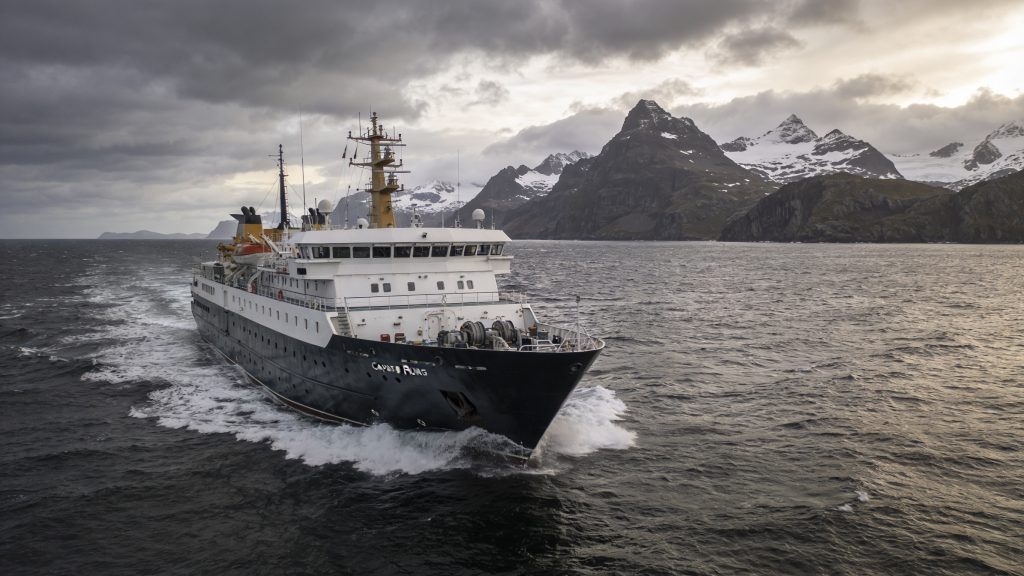
An expedition cruise to Cape Horn is not an ordinary cruise, but a nature-focused journey through the southernmost tip of Patagonia, where weather, waves and untouched landscapes set the pace. The route usually runs between Ushuaia and Punta Arenas, with Zodiac excursions through fjords, hikes in Tierra del Fuego and an attempt to land on the iconic Cape Horn. You book a trip for which you need to bring flexibility: the weather helps decide what is actually possible.
Anyone looking for a combination of comfort, remote nature and maritime history will find a unique experience in this expedition. There is no fully fixed route. It is precisely this unpredictability that gives the trip its character. For many travellers, this is one of the most beautiful ways to get to know expedition cruises.
Why Cape Horn is such a special destination
Cape Horn lies on Hornos Island in the Tierra del Fuego archipelago, on the border between the Atlantic and Pacific Oceans. It is not the southernmost point of the South American mainland, but it is the symbol of the far south and a place with a strong maritime reputation. For centuries, Cape Horn was one of the most dangerous and most important sea routes in the world, especially before the Panama Canal opened in 1914. Ships sailed past here to travel from Europe to the west coast of the Americas.
That history still makes the destination an iconic travel goal for many travellers. Not just because of its location, but also because of its extreme image: wind, rough seas and rapidly changing conditions. For some it is a bucket-list moment, for others above all a place where you feel the power of nature.
‘ The weather has the final say, and that is exactly what gives the journey its authentic character. ’
What to expect during the expedition cruise
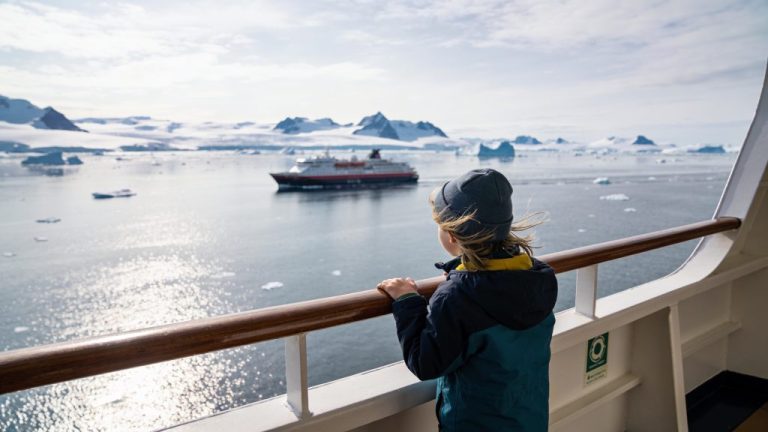
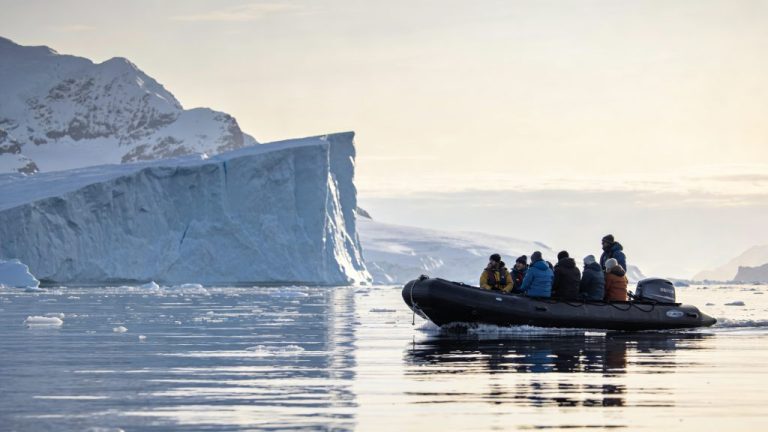
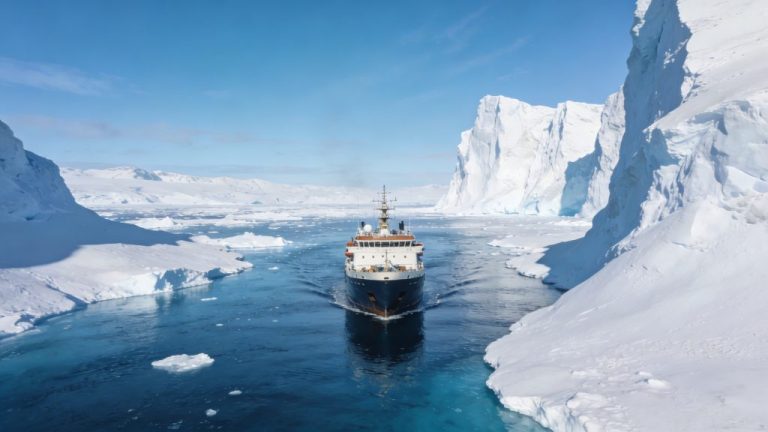
Most expedition cruises to Cape Horn last five to nine days and depart from Ushuaia or Punta Arenas. The ship sails through the Beagle Channel and along the many islands of Tierra del Fuego. During the journey you go on daily excursions by Zodiac, a sturdy inflatable boat that lets you get very close to nature. You cruise through fjords, see glaciers, visit penguin colonies and go ashore at remote spots for short hikes.
The rhythm of the trip is calm but intensive. You are often outside, at sea or walking over untouched terrain. Nature is raw and impressive: steep cliffs, barren mountains, seawater that seems to contain every shade of grey and blue. The ship provides hot meals, information sessions about the area and the necessary gear for the excursions.
Landing on Cape Horn is not guaranteed
A landing on Hornos Island is often on the programme, but is entirely dependent on the weather. Cape Horn has earned its reputation because of the harsh conditions: strong winds, high waves and unpredictable weather patterns. Even in the summer months the sea can be too rough to land safely. If a landing is not possible, the ship sails past Cape Horn and you get to see the passage from the water. It feels less spectacular, but is still a special moment.
Many travellers see this uncertainty as part of the expedition. The weather has the final say, and that is exactly what gives the journey its authentic character. So count on your programme changing. That is also why it is wise not to book only for Cape Horn itself, but to see the entire route as one complete experience.
Hiking and exploring in Tierra del Fuego
Tierra del Fuego, or Land of Fire, is the region that the expedition cruise passes through. It consists of a network of islands at the southern tip of South America. The islands are divided between Chile and Argentina. The name comes from the fires that European explorers saw when they first came here. Indigenous inhabitants lit fires to stay warm in the cold climate.
Several hikes are on the programme during the cruise. These are usually short walks of one to three hours. You walk through barren landscapes, over mosses and between low shrubs. Nature here is sparse but impressive: no trees, a lot of wind, and views over water and mountains. It feels as if you are at the end of the world, and that feeling is quite accurate.
You pass places where elephant seals lie. Sometimes you see sea otters or condors. Every now and then you come across old remains of settlements or stations. The hikes are not technically difficult, but they are demanding because of the weather. Gusts of wind, rain and sudden cold snaps are part of the experience. It is important to bring good outdoor clothing.
The weather shapes your experience
Cape Horn and Tierra del Fuego have a subpolar oceanic climate. That means cool summers, plenty of wind and rain, and rapid changes in conditions. Even in the most favourable months, from November to March, the weather remains unpredictable. Temperatures fluctuate between five and fifteen degrees, and within an hour it can shift from calm to stormy.
This makes flexibility an important part of the trip. The crew adjusts the programme daily based on wind, waves and visibility. Sometimes a planned landing is replaced by a longer Zodiac trip, and sometimes an excursion cannot go ahead at all. That might sound frustrating, but in practice modern expedition cruises are well prepared for this. There is always an alternative, and the crew makes sure you still see a lot, even when the weather does not cooperate.
Best time of year to travel
The cruise season runs from late September to April, but the best months are November to March. Days are longer then, the weather is relatively calmer and animal colonies are more active. Some operators already start sailing in October, but the risk of bad weather is higher then. If you want to maximise your chances of a landing at Cape Horn, it is better to choose December, January or February.
Practical preparation for your expedition cruise
An expedition cruise to Cape Horn calls for good preparation, especially in terms of clothing and expectations. It is not a luxury cruise, but a comfortable expedition on which you spend a lot of time outdoors. These are the main things to bear in mind:
- Bring layered clothing: thermal base layers, fleece, and a windproof and waterproof outer shell
- Sturdy walking boots with good grip are needed for hikes on wet, uneven ground
- Gloves, hat and scarf are essential, even in summer
- Binoculars help you spot birds and marine life from the ship
- Sun cream and sunglasses: the sun can be surprisingly strong, especially with reflection on the water
- Medication for seasickness if you are prone to it; the sea can be rough
Make sure your passport is valid and check whether you need a visa for Chile or Argentina. This depends on your departure and arrival ports. Most cruises arrange transfers between airport and ship, but check this with your booking agent. Arrive a day early in Ushuaia or Punta Arenas so you are not dependent on flight times on the day of departure.
Who is this trip suitable for?
This expedition cruise is designed for travellers who want to combine comfort with remote nature. You sleep and eat on board a comfortable ship, but spend your days in rugged surroundings with very little infrastructure. That makes the trip more accessible than, for example, a trekking tour through Patagonia, but not suitable for anyone who needs everything to be certain and predictable.
The trip suits people who love wild landscapes, maritime history and the feeling of distance from the inhabited world. It is not an ultra-active adventure trip, but it is still a physical experience because of the weather, the Zodiac outings and the hikes. Anyone who is open to flexibility and will not be disappointed if a landing does not go ahead will appreciate the trip for what it is: a passage through one of the most remote and rugged regions on earth.
On the Traveler Tips website you will find much more information about expedition cruises, other special destinations and practical tips for planning your trip. Discover more and prepare for your next journey with confidence.
Frequently asked questions
Crucial preparations include packing layered clothing with a windproof and waterproof outer shell, hat, gloves and good walking boots. In addition, bring seasickness tablets, any personal medication and a small first-aid kit. Take practical extras such as binoculars, a drybag for camera/phone and enough memory cards or storage. Finally, it is smart to keep your travel schedule flexible because landings and excursions depend heavily on the weather.
An expedition cruise to Cape Horn lets you literally sail along the legendary sea route between the Atlantic and Pacific Oceans, something you can never experience as intensely from land. You feel the raw elements – wind, waves, rapidly changing weather – directly from the deck and in Zodiacs, right in the middle of fjords and alongside glaciers. Access to isolated islands and bays, often only reachable by ship, creates a strong “end of the world” feeling. On top of that, the entire trip revolves around that maritime history and the tension of the unpredictable weather, something a land trip cannot truly replicate.
Most people combine the expedition cruise with a land package by starting or ending in Ushuaia or Punta Arenas and planning extra days in Patagonia there. Choose an itinerary in which the cruise covers the sea section (fjords, Cape Horn, wildlife) and the land package focuses on iconic places such as Torres del Paine, El Calafate and El Chaltén. Build in enough buffer (1–2 days) around the cruise departure and arrival dates, because weather and flights in this region are unpredictable. Ideally, work with one specialist operator who can coordinate both cruise and land package in a single trip.
Choose a cruise line with a strong expedition reputation, small ships and good reviews about guides and Zodiac excursions, as these usually offer the best nature and activity experience. Compare routes based on the number of landings and the variety (fjords, glaciers, wildlife, possible Cape Horn landing) rather than just sailing days. For sustainability, look at factors such as a modern, more efficient ship, emission reduction programmes and a clear policy on nature and wildlife protection. Finally, set a budget range and compare what is included (excursions, lectures, clothing hire) so you are choosing on total value rather than just the bare ticket price.
The specific challenges around Cape Horn are extremely changeable weather, very strong winds, high waves and rough seas, due to the meeting of the Atlantic and Pacific Oceans. This brings safety aspects such as a risk of seasickness, limited or impossible landings and the need to alter the route. Cruise lines and expedition teams respond to this with flexible route planning, continuous weather monitoring and only carrying out landings and Zodiac excursions when conditions allow it to be done safely. Modern ships are also equipped for rough seas and the crew is trained to sail in these subpolar, windy conditions.