 NL
NL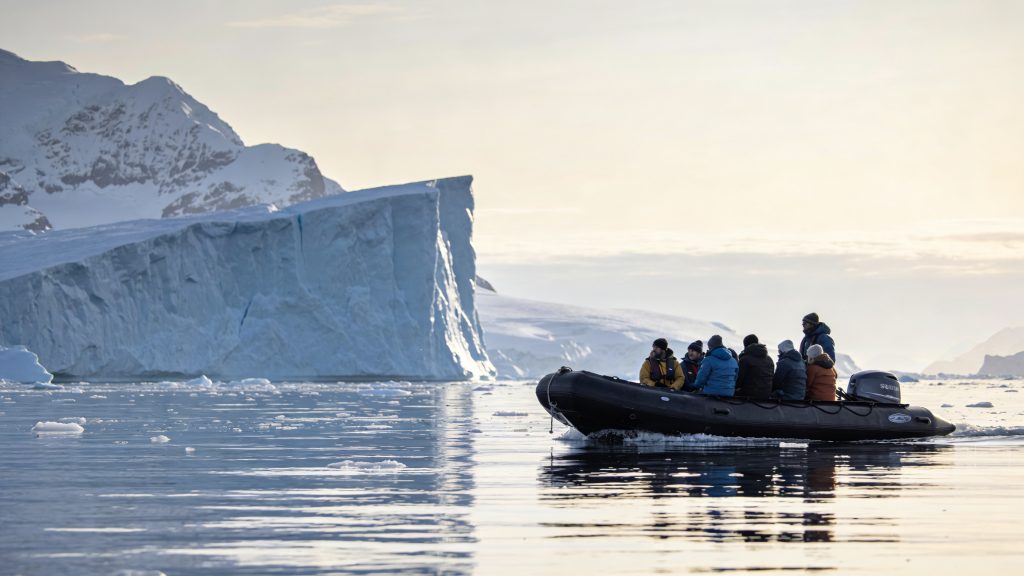
Zodiac excursions are small‑boat trips in an inflatable motorboat that take you ashore at remote spots or sail you past ice formations and wildlife during an expedition cruise. They are often the most active part of an expedition cruise and bring you to locations that remain inaccessible to larger ships. What can travellers expect from these fast speedboat landings? How safe are these excursions? What does a day with zodiacs look like?
What are zodiac excursions on an expedition cruise?
A zodiac is a manoeuvrable inflatable motorboat with a solid hull, specially designed for use in rough water and icy conditions. These boats have a capacity of around 10 to 15 passengers and are operated by experienced guides who know the local conditions well.
During an expedition cruise, you use zodiacs for two main purposes. Firstly, they take you from the larger ship to the shore, where you land for hikes, wildlife watching or visits to research stations. Secondly, you take zodiac trips along coastlines, icebergs and fjords. From the boat you look for seals, whales, penguins or birds. Meanwhile, the guide explains the surroundings.
Zodiac excursions are flexible. They only take place if the weather, ice conditions and safety allow. This means the programme can change, but also that each excursion is tailored to the current possibilities on the spot.
‘ In many polar regions, strict distance rules apply for wildlife, especially for nesting birds and seals with pups. ’
Where do zodiac excursions take you?
Zodiacs make it possible to reach remote beaches, small bays and coastal areas that are inaccessible to larger ships. For example, you land on uninhabited islands in Svalbard. Or you visit abandoned whaling stations in Antarctica and hike across glaciers in the Arctic.
Landings are usually short and intense. You step ashore on a rocky beach. You follow a marked trail (clearly indicated route) to a viewpoint or observe seabird colonies from a safe distance. Guides accompany each group. They ensure that you follow the rules for wildlife watching. In many polar regions, strict distance rules apply for wildlife, especially for nesting birds and seals with pups.
In addition to landings, you also make zodiac cruises. In that case, you do not go ashore. You sail past ice formations, drifting pack ice or steep cliffs. This often lets you see wildlife up close. You remain stationary and avoid disturbing animals by going ashore.
How safe are zodiac excursions?
Safety is the top priority on zodiac excursions. Before departure, all passengers receive a safety briefing on board the main ship (the large expedition ship). You learn how to board and disembark safely. You also learn how to hold on during the ride and what to do if conditions change.
Each zodiac has a qualified guide on board. This guide is trained in first aid, navigation and ice conditions. The boats are equipped with communication devices, safety equipment and life jackets. Before departure, the guides check the weather and wave height, then assess the ice situation. If conditions become unsafe, the excursion is adjusted or cancelled.
Passengers are expected to be in reasonable physical condition. Boarding a zodiac often happens via a ladder or platform steps at the side of the ship, possibly in a swell. Ashore you walk over uneven or slippery ground. The surface may also be rocky. For people with limited mobility, these excursions can be challenging. Some cruise lines offer adapted assistance.
What should you take on a zodiac excursion?
Good preparation makes the difference between a comfortable experience and a cold, wet one. Weather in polar regions changes quickly and waterproof protection is essential.
- Waterproof outer layer: a fully waterproof jacket and trousers protect against spray, snow and rain.
- Warm layers: wear thermal underwear, fleece or wool under your outer layer.
- Waterproof gloves and hat: your hands and head cool down quickly in wind and cold.
- Sturdy, waterproof footwear: use boots with good grip. Wet landings and slippery rocks call for solid soles.
- Small, waterproof rucksack: take only what you need and make sure everything stays dry.
- Camera protection: use a waterproof cover or bag for your camera and lens.
Keep your luggage light. During a zodiac ride you need to hold on. Large rucksacks or loose items are impractical and can go overboard in choppy seas.
‘ On some days there are also longer zodiac cruises where you do not go ashore but instead sail past icebergs or through narrow fjords. ’
What does a day with zodiac excursions look like?
A typical day on an expedition cruise starts early. After breakfast you receive a briefing from the expedition guide. The guide discusses the programme, the location and the wildlife you can expect. Passengers are divided into groups, usually based on their cabin or group number.
You put on your waterproof clothing, pack your rucksack and head to the embarkation deck. There you board the zodiac via a ladder or platform. The guide helps you to get in and makes sure everyone is safely seated before the boat departs.
The ride to the shore usually takes between 5 and 20 minutes, depending on the distance and ice conditions. During the ride, the guide explains the surroundings and the history of the area and tells you which animals you may see. Once ashore you follow a marked trail. You walk in a group under supervision. The walk typically lasts 1 to 2 hours.
After returning to the ship there is often a second excursion in the afternoon or early evening. This way you can visit two different locations in one day. On some days there are also longer zodiac cruises where you do not go ashore but instead sail past icebergs or through narrow fjords.
What happens if the weather changes?
Wind, snow or fog are common in polar regions. Wind, fog or encroaching ice can alter or delay a planned excursion. The expedition leader and guides constantly assess the situation and make decisions based on current conditions.
If the crew cancels an excursion, they look for alternatives. This may mean sailing to a different location or offering an extra zodiac trip once the weather improves. Expedition cruises require flexibility from travellers. There is no fixed excursion schedule. Nature sets the pace.
Travellers should anticipate changes. An excursion scheduled for 10:00 might be moved forward to 07:00 if the forecast calls for it. Being ready early and staying flexible are part of the experience.
Who are zodiac excursions suitable for?
Zodiac excursions suit travellers who want to actively take part in the travel experience and who do not mind changeable weather. You need to feel comfortable on small boats and with short, sometimes bumpy rides.
Zodiacs bring you close to nature, ice and wildlife. You experience the surroundings differently from the deck of a large ship. Zodiacs offer access to places that would otherwise remain unreachable and make it possible to observe wildlife without disturbance.
For people with a fear of heights, severe seasickness or limited mobility, zodiac excursions can be challenging. Discuss any limitations with the cruise line in advance and ask about adapted options.
Practical tips for your first zodiac excursion
If you are travelling by zodiac for the first time, the following tips will help your experience run smoothly:
- Listen carefully to the safety briefing and ask questions if anything is unclear.
- Put on your waterproof clothing before you go to the embarkation deck so you do not have to rush.
- Keep one hand free when boarding and use the other to hold on.
- Remain seated during the ride and follow the guide’s instructions.
- Take spare batteries for your camera; cold drains batteries more quickly.
- Protect your face with a scarf or balaclava in wind and cold.
- Ask the guide for information about wildlife; they often have many years of experience in the area.
On the Traveler Tips website you will find much more information about expedition cruises, packing lists for polar regions and tips for wildlife watching. Discover more about preparing for your trip. You can also read what to look out for when choosing an expedition cruise.
Frequently asked questions
You need to be sufficiently mobile and in reasonable condition, as you must be able to get in and out of a low, moving boat independently and sometimes walk over uneven, wet or slippery terrain. You must always follow the instructions of the expedition guides and crew, including regarding boarding order, seating, holding on to lines/handholds and remaining seated during the ride. Life jackets are compulsory, loose items must be stowed safely, and excursions only go ahead if weather and ice conditions allow. Be prepared for cold and wet conditions and wear suitable waterproof and warm clothing layers.
Essential items are a fully waterproof jacket and waterproof trousers as your outer layer, plus warm layers underneath. Also wear waterproof gloves, a warm hat and, if needed, a scarf or buff against wind and spray. Waterproof high boots or other well waterproofed shoes are important to keep your feet warm and dry. Take a waterproof rucksack or cover as well, to keep your camera, phone and extra clothing dry.
Choose trips that schedule plenty of time for slow cruising along coasts, fjords and ice formations, as these offer the best chances for an intense nature and landscape experience. Look for excursions that explicitly focus on wildlife watching and are led by experienced guides who explain the local fauna and geology. In polar regions you can expect unique sightings such as marine mammals, seabirds, drifting ice and impressive glacier fronts. In more coastal or fjord‑rich areas, the emphasis is often on spectacular rock formations, remote beaches and colonies of birds or other local species.
Yes, strict rules apply during zodiac excursions to protect wildlife and the environment, such as keeping sufficient distance from animals, never feeding them and never deliberately approaching or disturbing them. Passengers must heed the instructions of guides and crew, for example regarding where boats may and may not sail or land. Rubbish and personal belongings must never be left in the water or on land, and a ‘leave no trace’ principle often applies. Quiet, calm behaviour and respect for other participants also contribute to a responsible and respectful experience.
Plan your day around the zodiac timings: choose calm or low‑energy activities (lectures, wellness, sorting photos) directly before or after the excursions so you remain flexible for last‑minute schedule changes. Use the briefings on board to learn which wildlife or landscapes you are likely to see and then choose targeted activities ashore, such as a nature walk or photography, that build on this. Keep your rucksack light and functional so that, after a zodiac landing, you can easily continue on to a hike, beach walk or village without needing to return to the ship first. Save demanding sports sessions or sauna time on board mainly for evenings or periods when no landings are planned, so you do not miss any spontaneous zodiac opportunities.