 NL
NL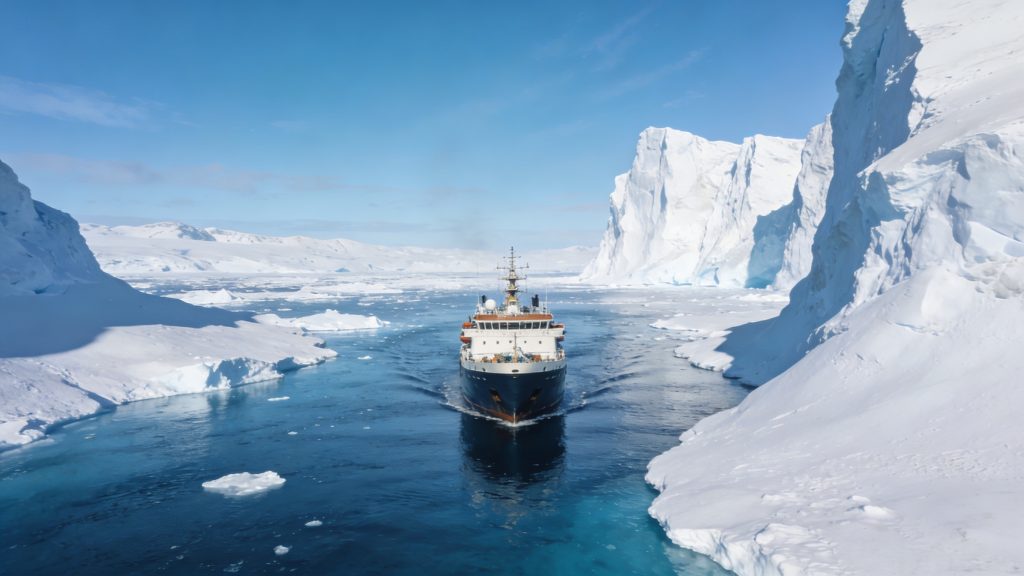
For most travellers, the best time for an Arctic expedition cruise is between June and August. During these summer months, the High North offers the longest days, the most accessibility to the pack ice, and the highest chance of spotting wildlife such as polar bears in Svalbard and Greenland. Those seeking an optimal balance between an expedition experience and comfortable travel conditions should preferably choose this period. Nevertheless, the best departure time varies by destination and personal preference.
Why June to August is the Standard
The Arctic summer forms the basis for almost all expedition cruises to the polar region. This is due to a combination of factors that together define the expedition season. During this period, the sea ice has melted sufficiently to make sailing routes accessible, but enough pack ice remains for an authentic polar experience.
Daylight plays a crucial role. In June and July, you can enjoy the midnight sun, providing 24 hours of daylight. This not only makes navigation easier but also increases the chances of wildlife sightings and offers more flexibility for excursions with Zodiac boats (small inflatable boats) and landings. August offers slightly shorter days, but still ample light for all expedition activities.
Temperatures during these months range between 0 and 8 degrees Celsius, depending on the location. That sounds cold, but it poses no obstacle with the right layered clothing. Wind and precipitation are variable, but generally more stable than in the transitional seasons.
Best Months for Svalbard
Svalbard, part of the Norwegian archipelago, is one of the most visited Arctic destinations. The expedition season here runs from May to September, but the quality of the experience varies greatly by month.
In June, there is still a lot of snow and ice, giving the landscape a wintry appearance. This is an excellent period for those who prefer an authentic polar landscape with glacier ice extending to the coast. Polar bears are active after hibernation and search for food along the ice edge. It is relatively quiet with fewer ships in the waters.
July is considered the peak month for Svalbard. Ice conditions are then optimal for deeper penetration into fjords and along the north coast. The chance of polar bear sightings is high, especially in the northern pack ice area. Birds are breeding, and you can see colossal bird cliffs with thousands of individuals. Vegetation blooms, adding colour to the otherwise stark landscape. However, it is the busiest month in terms of visitors.
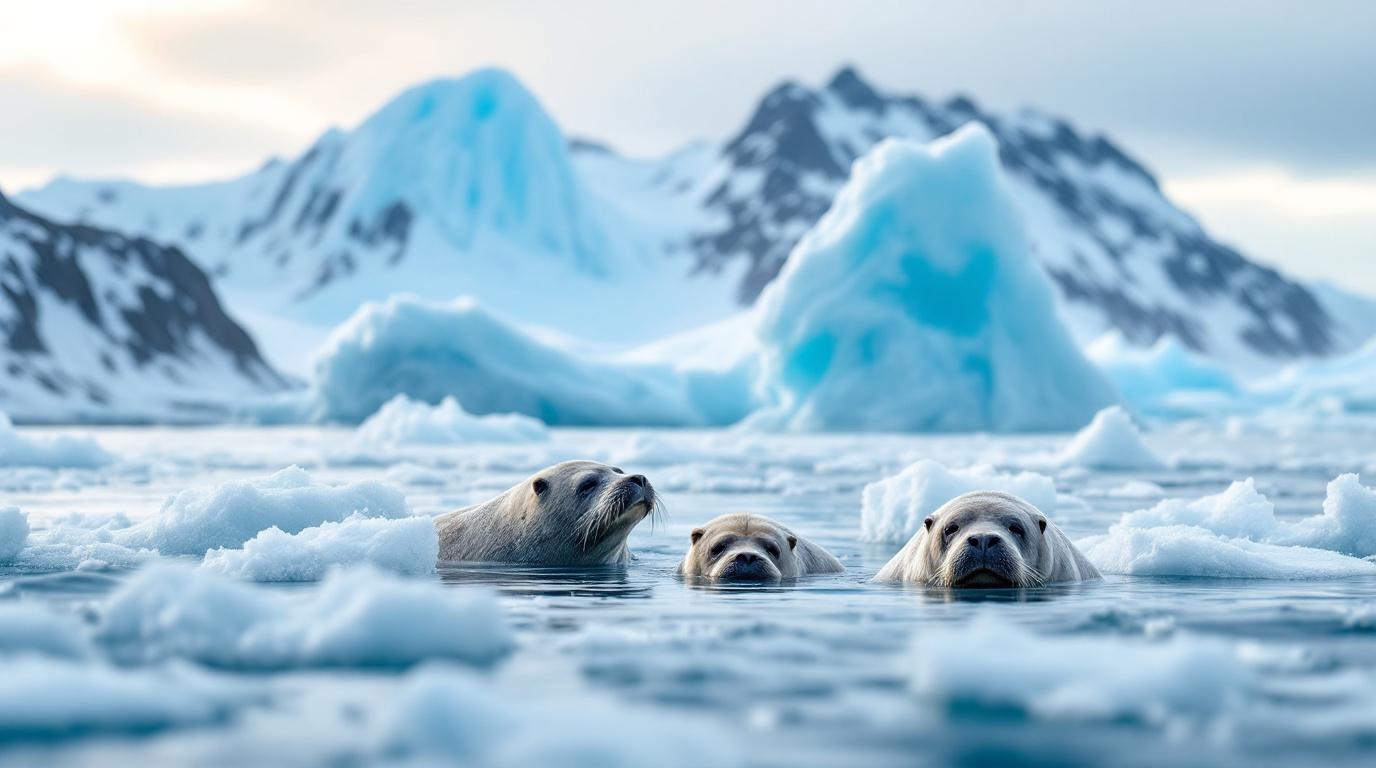
August offers a similar experience to July, but with slightly less ice and shorter days. Walruses gather in certain locations, providing spectacular sightings. For photographers, the changing light offers interesting opportunities. September marks the end of the season, with a more autumnal atmosphere and significantly fewer ships.
Svalbard: Monthly Overview
- May: Start of season, much ice, quiet, limited cruise offerings
- June: Midnight sun, winter landscape, active polar bears, less crowded
- July: Best ice conditions, highest chance of wildlife, busiest month
- August: Walrus populations visible, less ice, shorter daylight hours
- September: Autumn colours, quiet, end of season
When Expeditions Sail to Greenland
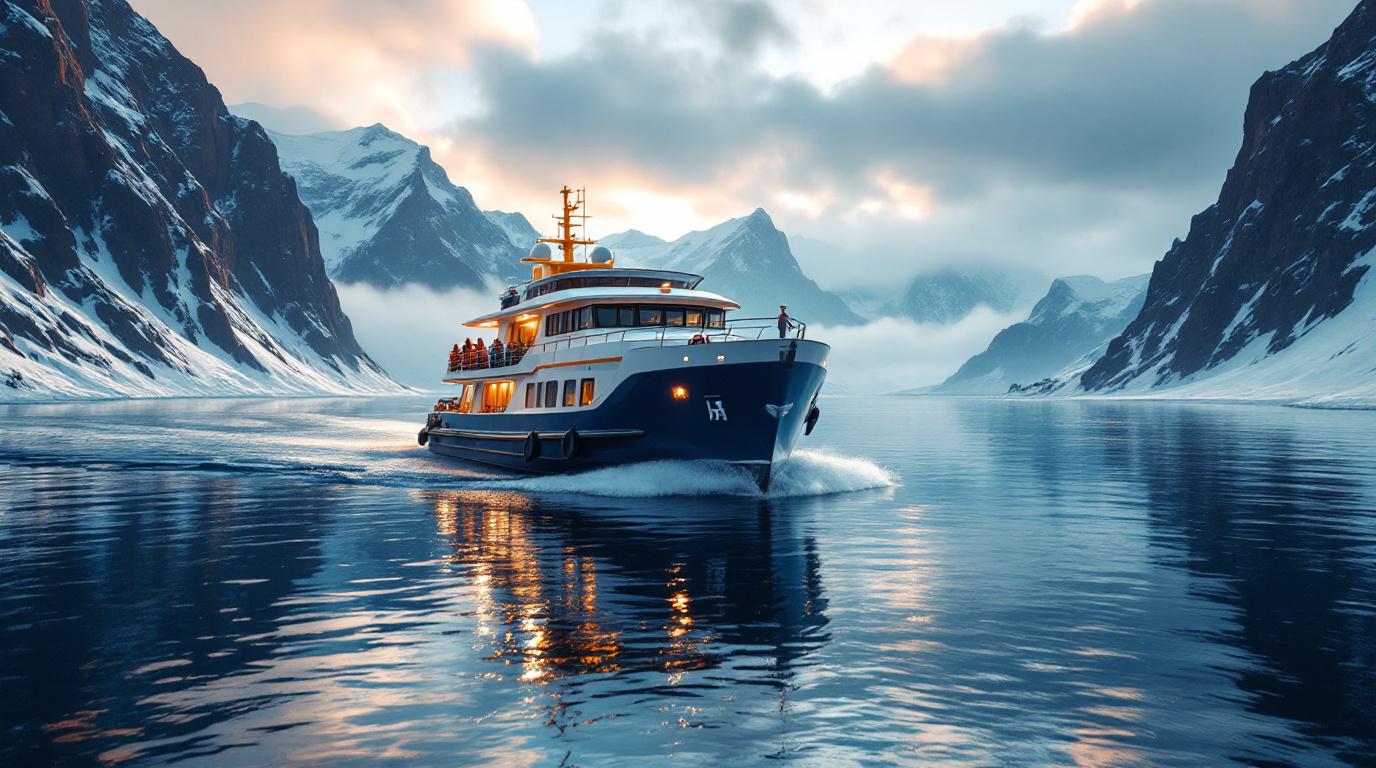
Greenland has a similar expedition season to Svalbard, but the emphasis is slightly more on the months of July and August. This is due to the ice conditions along the East Greenlandic coast and in the northern areas, which become accessible later in the season.
West Greenland is accessible earlier, and some cruises begin as early as June. These routes visit Disko Bay and the icefjord near Ilulissat, where enormous icebergs calve from the glacier. The small coastal settlements are then easily reachable, and it is quieter than in the summer months.
July and August form the core of the Greenlandic cruise season. During this period, expeditions sail to both West and East Greenland, and the most northerly routes to areas like Scoresbysund are possible. The chance of seeing whales, such as humpbacks and fin whales, is then at its highest. Local communities are also most active and accessible to visitors during this time.
The choice between West and East Greenland influences the optimal travel time. West Greenland is more accessible and has a longer season. East Greenland offers a more remote and rugged expedition experience but is more dependent on favourable ice conditions.
Seasonal Differences in the Arctic Region
The Arctic region is vast and exhibits regional differences in climate and accessibility. In addition to Svalbard and Greenland, there are expeditions to other areas such as Franz Josef Land, Novaya Zemlya, and even attempts to reach the geographic North Pole.
For Franz Josef Land and the Russian Arctic regions, the season is shorter and later, typically from late June to mid-August. Ice conditions here are more extreme and require ice-strengthened or ice-breaking vessels. These are expeditions for experienced polar travellers seeking the most remote and pristine areas.
North Pole expeditions, where the ship sails towards 90 degrees North latitude, take place in July and August. These voyages are highly dependent on the ice situation and require nuclear icebreakers. They are the most ambitious and costly expeditions in the Arctic programme.
What Determines the Best Time for You
Your personal preference plays a significant role in choosing the right travel time. Those primarily interested in wildlife should preferably choose July. This applies especially to polar bears in Svalbard, as they are active along the northern ice edge where expeditions can easily reach them.
For travellers who prefer peace and fewer other ships, June and September are more appealing. The experience is then more intimate, and nature feels more pristine. However, the range of cruises is more limited, and some areas may not yet be accessible or may no longer be.
Photographers often appreciate the extremes: early in the season for the wintry landscape with plenty of snow and ice, or later for the special light of autumn colours and a lower sun angle. The midnight sun in June and July offers unique opportunities for daylight night photography.
Practical Considerations for Your Planning
The choice of a specific month has practical consequences that you should consider in advance. Early and late in the season, the availability of expedition cruises is more limited. Some shipping companies only sail in July and August, while others cover a broader season.
Prices vary by month. July and early August are usually the most expensive, as this is the most sought-after period. June and September can offer advantageous rates, especially for last-minute bookings. However, be aware that early or late departures may be cancelled if ice conditions are unfavourable.
Clothing is the same for every month: think in layers with a good base, insulation, and outer layer. The outer layer must be windproof and waterproof, as excursions with Zodiac boats (small inflatable boats) and landings are standard on expedition cruises. Gloves, a hat, and good boots are indispensable.
Checklist for Your Preparation
- Determine your priority: wildlife, landscape, tranquillity, or photography
- Choose your destination: Svalbard, Greenland, or further north
- Check the range of cruises available in your preferred month
- Compare average ice conditions and historical sightings
- Book early for July and August, or look for last-minute deals for June and September
- Prepare your clothing in layers with a waterproof outer layer
- Enquire with your cruise line for specific recommendations for your route
What to Expect During Your Expedition
Regardless of the month you choose, an Arctic expedition cruise is about flexibility and adaptability. The weather and ice conditions determine the daily route and programme. Expedition leaders continuously adjust the plan to ensure the best experiences and safety.
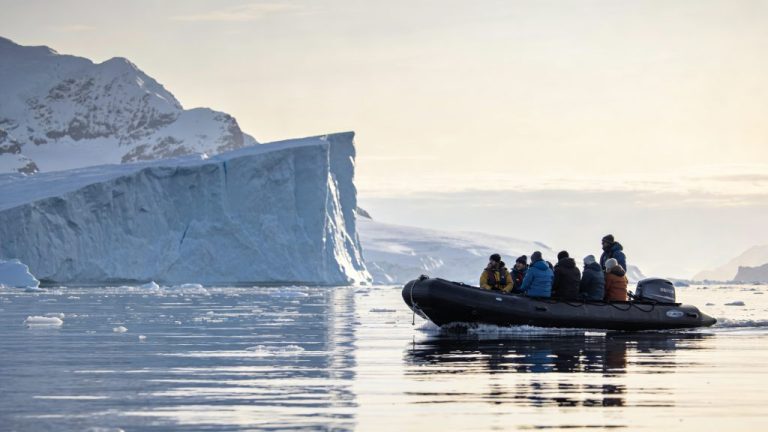
Zodiac boat excursions form the heart of the expedition. These small, agile inflatable boats take you to places the main ship cannot reach. You will make landings on remote shores, sail past icebergs and glacier fronts, and search for wildlife in fjords and along ice edges. The programme usually includes two to three activities per day.
Lectures on board provide context and depth. Experts in geology, biology, history, and climate share their knowledge. This enriches the experience and helps you better understand what you are seeing. Many expeditions also offer optional activities such as kayaking or camping ashore.
The atmosphere on board is informal and focused on a shared passion for the polar region. Expedition cruises are not luxury cruises with entertainment and formal dining. They are about nature, the experience, and getting to know a unique environment.
Discover More About Expedition Cruises
The best time for an Arctic expedition cruise depends on your personal preference, your destination, and what you want to experience. June to August offers the most opportunities, with July being the peak month for wildlife and accessibility. Svalbard and Greenland are the most accessible destinations, but more northerly routes offer extreme expedition experiences for those wanting to go further.
On the Traveler Tips website, you will find extensive information about various types of expedition cruises, destinations, preparation, and practical tips for polar travel. Discover which route suits you and how to optimally prepare for a journey to the High North.
Frequently Asked Questions
The best time to spot polar bears and whales during an Arctic expedition cruise is generally during the summer months, especially July and August, when the sea ice has receded the most and many excursions are possible. In May and June, you will experience more authentic polar landscapes with snow and ice, and often see active polar bears, but some areas may be more difficult to access. September offers quieter sailing routes with still good chances of wildlife, although ice conditions change again then. The precise best period depends on the destination (e.g., Svalbard or Greenland) and the type of animals you primarily wish to see.
For the greatest chance of seeing the Northern Lights, you should travel between approximately mid-September and late March, when it is dark enough for long periods. The peak months for the Northern Lights are typically October, February, and March. For the midnight sun, you have the greatest chance around the weeks before and after the summer solstice (approximately early June to early July), depending on how far north your destination is. In the High Arctic, you can often experience the midnight sun from late May to mid-July.
In May and June, weather conditions are often colder with more snow and sea ice, meaning some routes are still of limited navigability; however, it is quieter and very ‘expedition-like’, but sometimes less comfortable due to cold and wind. In July and August, it is generally the mildest and most stable, most routes are well navigable, and there is abundant daylight (often the midnight sun), which increases travel comfort and allows for many landings and Zodiac activities. In September, daylight decreases, and ice and weather conditions change again, but the sea is usually still navigable, with a slightly more rugged atmosphere and fewer crowds. More daylight and open water generally mean more excursions and better comfort, while early and late months offer more tranquillity and dramatic scenery, but with colder, more changeable conditions.
Yes, there are clear seasonal price differences: departures in July and August (peak season with the best weather and ice conditions) are usually the most expensive, while May, June, and September often offer lower prices. Similarly, availability fills up faster during the summer months, especially on popular routes such as Svalbard and Greenland. Expeditions at the beginning and end of the season (‘shoulder months’) are quieter, but there may be a more limited range of routes and departure dates. It is therefore advisable to book early for July–August and to be flexible with dates if you want to benefit from lower prices and more tranquillity in May, June, or September.
In the early season (May–June), you benefit from a pristine, snow-covered polar landscape and more tranquillity, but ice and weather are more variable, and the range of excursions is often more limited. In the mid-season (July–August), you have the best mix of accessibility, relatively mild weather, abundant wildlife, and excursions, with the disadvantage of more crowds and a less ‘untouched’ appearance due to melting ice. In the late season (September), you experience tranquillity, atmospheric autumn light, and interesting changing ice conditions, but the days become shorter, and some animals are less active or have already departed. Generally, the mid-season offers the most complete overall experience, while early and late seasons are more suitable for travellers specifically seeking tranquillity or an extreme Arctic atmosphere.