 NL
NL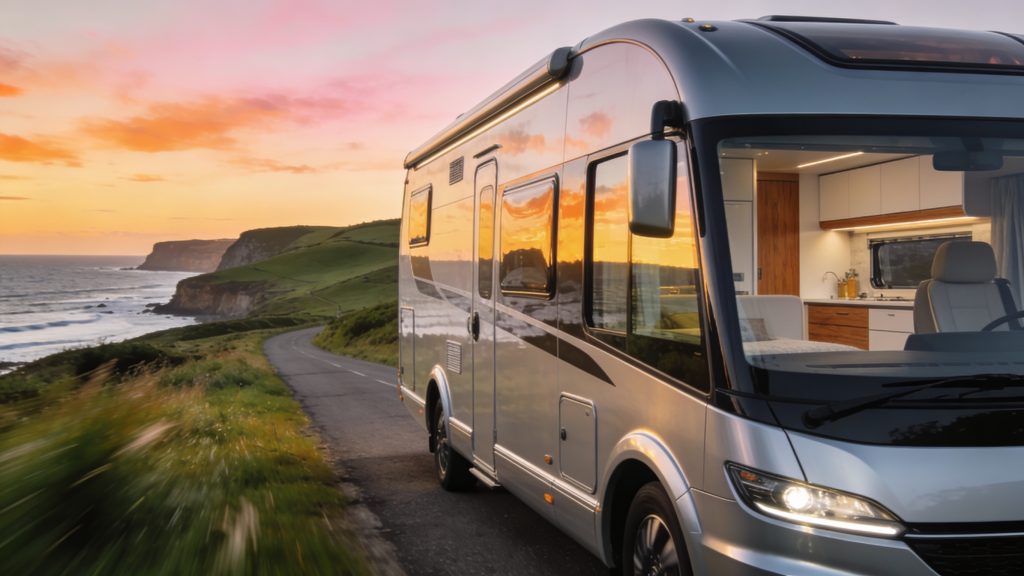
The A-class motorhome is the most luxurious choice among motorhome types: with a fully integrated cab and living area, this model offers maximum comfort, generous living space and premium finish for long journeys. For anyone wanting to combine a road trip with the convenience of a home on wheels, the A-class is a serious option. In this article you will read what makes this type different. You will also find out who it is suitable for and what to look out for when choosing one.
What is an A-class motorhome?
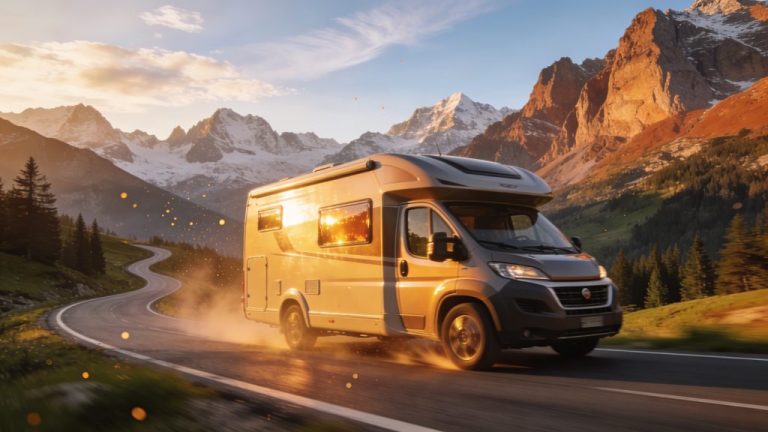
In an A-class motorhome, the driver’s cab and the living area form one whole. There is no separation between the front and the back. This creates a continuous, open layout. This type is also known as an A‑class (a fully integrated model) or the king of motorhomes. The integrated bodywork allows for more interior space. At the same time, this construction lets in more daylight thanks to larger windows and often a panoramic roof.
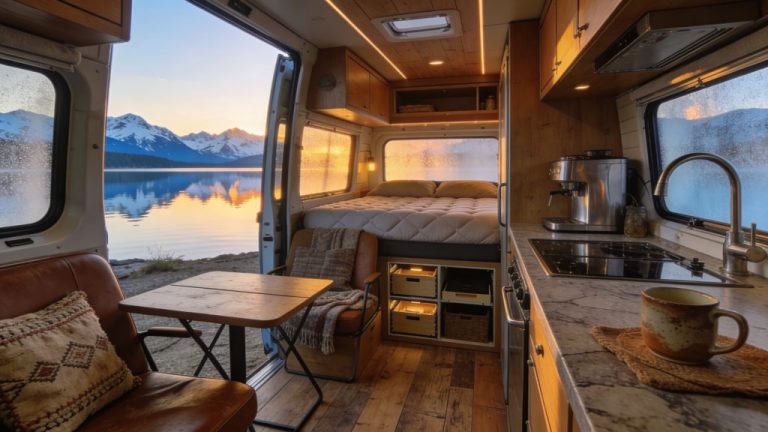
In practice, you walk through the motorhome without obstacles or changes in floor level. The driver and passenger seats are often swivel seats. You can then use them as part of the seating area in the living space. This adds to the spacious feel and increases comfort on long travel days. You can find more information about this and other types of motorhome in the overview all motorhome types.
A‑class motorhomes are available in various lengths and layouts. They offer sleeping space for two to six people. Most models have a fully equipped kitchen, toilet, shower and fixed beds. This makes them suitable for travellers who value comfort more than manoeuvrability.
‘ In an A‑class motorhome, the entire body is custom-designed. ’
What makes an A-class motorhome more luxurious than other types?
The main difference is the more luxurious finish and the extra space. Semi‑integrated motorhomes (motorhomes with a standard van cab) still use an existing van cab. In an A‑class motorhome the entire body is custom-designed. This offers more possibilities for layout, insulation and less noise inside the motorhome. The materials are of higher quality. A‑class motorhomes often have sound‑insulating walls, double floors and better climate control.
In addition, A‑class motorhomes offer more living space. The integrated body gives extra width and height. As a result, the seating areas are larger, the kitchens more generous and the bathrooms more spacious. Storage space is also greater. Many models have a rear garage and extra storage lockers under the floor.
Another important difference is driving comfort. A‑class motorhomes are often built on a chassis with air suspension. This ensures a quieter and more stable ride. Many models are equipped with an automatic gearbox, cruise control and modern driver assistance systems. This makes long journeys less tiring. For travellers who cover many miles, this is a major advantage.
Who is an A-class motorhome suitable for?
This type of motorhome is particularly interesting for travellers who are on the road for longer periods of time. They do not use the motorhome only as a place to sleep. Couples and families who travel a lot often choose an A‑class because of the homely feel and the full range of facilities. Retirees regularly tour through Europe. They appreciate the combination of comfort and independence.
For travellers who mainly see the motorhome as a place to sleep, a smaller type may be sufficient. This group is out and about a lot during the day. An A‑class motorhome is less manoeuvrable in narrow streets, busy cities or mountain roads. Make sure your route matches the dimensions of the motorhome. For destinations with lots of nature, spacious campsites and major roads, this type is ideal.
Budget also plays a role. A‑class motorhomes are more expensive to buy and rent than semi‑integrated motorhomes or campervans (compact motorhomes based on a delivery van). The equipment, finish and chassis are of higher quality. This explains the extra cost. However, for anyone who prioritises comfort and space, the investment is worthwhile.
Is an A-class motorhome suitable for winter camping?
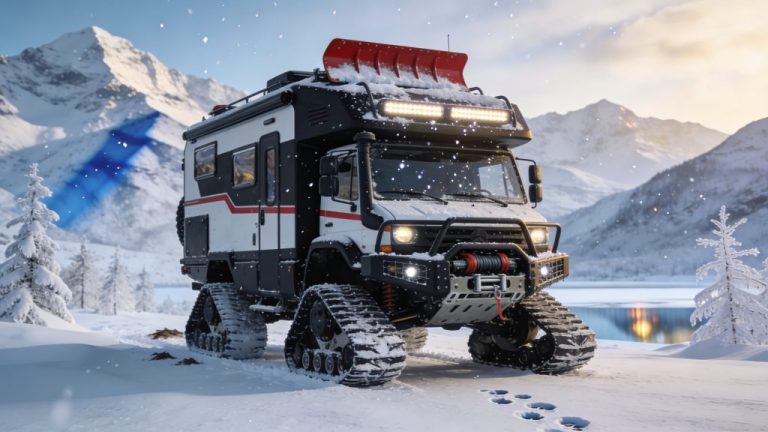
Yes, most A‑class motorhomes are better suited to winter camping. The reason lies in the better insulation, double floors and higher‑quality heating. Many models have an insulated floor and double glazing. This limits heat loss. In addition, the heating is often more powerful. There are several heating outlets spread throughout the motorhome.
For cold destinations, a winter package (a set of additional features for cold conditions) is a good choice. The winter package includes extra insulation, heated water tanks and double glazing. Some models also have underfloor heating or a diesel heater. This heater operates independently of the motorhome’s engine. This means you can sleep comfortably at temperatures well below freezing.
Do pay attention to the weight. Snow and winter equipment make the motorhome heavier. Check that you stay within the maximum permitted weight. This is especially important when travelling to mountainous areas where snow chains are often mandatory. Battery capacity is also something to keep an eye on in winter, as heating and lighting use more energy.
What should you look out for when choosing an A-class motorhome?
When you choose an A‑class motorhome, there are several practical points to consider. Below you will find the most important things to pay attention to:
- Length and width: check whether the dimensions match your route. For narrow roads and historic town centres, a shorter model is more practical.
- Number of berths: choose a layout with enough fixed beds. Fold‑down beds are less comfortable, especially on long trips.
- Layout: pay attention to the position of the kitchen, bathroom and seating area. A logical layout makes the motorhome easier to use.
- Facilities: check the capacity of the water tanks, the type of heating and the strength of the batteries. These aspects determine how many days you can be self‑sufficient.
- Chassis and engine: choose an engine with enough power for mountain roads and heavy loads. An automatic gearbox makes for more relaxed driving.
- Weight: pay attention to the payload. The difference between unladen weight and maximum weight is important. This difference determines how much you can take with you.
Take a test drive beforehand and try out the layout. Sit at the table, try out the beds and check how easy it is to reach the cupboards. While testing you will notice how the motorhome feels on the road and whether the layout works well for you.
Route choice and parking with an A-class motorhome
With an A‑class motorhome you need to plan your route carefully. Avoid narrow mountain roads, cramped village centres and busy city centres. Choose routes with sufficient parking spaces. Also make sure there are enough rest areas. In many countries there are special motorhome stopovers. These provide facilities such as electricity, fresh water and waste disposal. This makes longer trips more comfortable.
In cities, park at a dedicated motorhome parking area or a campsite on the outskirts. Visit the centre by public transport. This saves stress and helps avoid fines. Also watch out for height restrictions at tunnels, underpasses and car parks. Most A‑class motorhomes are between 3 and 3.5 metres high.
In some countries, specific rules apply to motorhomes, such as low‑emission zone permits. There may also be bans on overnight parking. In addition, toll roads often have different tariffs for larger vehicles. Check the local rules beforehand to avoid unpleasant surprises.
Maintenance and preparation for long journeys
Keep your motorhome well maintained if you are going on long road trips. Have a service carried out before departure. Then check the tyres, brakes and fluid levels. Also check the facilities in the motorhome: are the heating, fridge and water pump working properly? Test the electrical system and fully charge the batteries.
Take enough spare parts with you, such as fuses, bulbs and hoses. Take a basic tool kit and a spare wheel. This helps prevent delays due to minor faults. Also create a checklist for your equipment. Note down cooking utensils, bedding, cleaning products and personal items.
For remote areas, use a GPS tracker (a device that allows you to track the location of the motorhome). A GPS tracker increases safety. It also helps with theft prevention. Record the serial numbers of valuable equipment as well. Take photos of the motorhome before you leave. This makes it easier to handle an insurance claim in the event of damage.
‘ That way you turn your road trip into a really enjoyable experience. ’
Discover more about motorhome holidays and route planning
An A‑class motorhome offers freedom, comfort and the chance to discover Europe at your own pace. Prepare your trip thoroughly and choose your route with care. That way you turn your road trip into a really enjoyable experience. On the Traveler Tips website you will find much more information about motorhome holidays. You will also find routes, preparation advice and practical tips for the road. Take a look at the campsite overviews and route ideas to see which destinations suit your wishes and travel duration.
Frequently asked questions
A‑class motorhomes provide a very spacious, open living area because the driver’s cab and living space form one single unit, creating a homely atmosphere. They are usually fitted with luxurious features such as a full kitchen, comfortable seating area, fixed beds and often their own shower and toilet. The high‑quality finish and clever storage solutions increase comfort on longer road trips. In addition, the good insulation and often automatic gearbox make travelling quieter and more comfortable.
For luxury destinations, take into account the size and manoeuvrability of an A‑class motorhome: avoid extremely narrow mountain roads and historic city centres where length and height may cause problems. Plan your route along campsites or motorhome stopovers that explicitly offer good facilities and spacious, level pitches for larger motorhomes. Make sure daily driving distances suit relaxed travel, with enough rest stops and parking options along the way. Choose overnight spots with extra comfort such as high‑quality sanitary blocks, wellness facilities or good‑quality restaurants if you want to extend the luxury experience.
An A‑class motorhome feels like a luxury home on wheels, with the driver’s cab and living space forming one open, light‑filled area; this means you experience the journey much more intensely because you truly “live” on the road rather than just being transported. Because you can cook, relax, work and sleep in the same comfortable environment, every stop becomes part of the experience instead of merely a break. The large windows and seating area mean you are constantly connected to the scenery, even when you are parked up or the weather is bad. Compared with other comfortable ways of travelling (such as car plus hotel or plane plus resort), the focus shifts from “arriving at the destination” to “the whole route is the destination”.
Total costs include the rental or purchase price of the A‑class motorhome, insurance, road tax, fuel and tolls, campsite or pitch fees and regular maintenance (servicing, repairs, tyres). For luxury road trips you can add higher costs for a more luxuriously equipped motorhome, extra comfort packages, accessories (awning, bike rack, satnav) and often higher fuel consumption due to weight and size. Hidden costs include higher depreciation when you buy, storage, cleaning and laundry, environmental or city charges and additional insurance options (breakdown cover, replacement vehicle, excess waiver). You should also factor in the cost of furnishing and equipment (kitchen kit, bedding, outdoor chairs/table) and any seasonal or high‑season surcharges on rentals.
Essential preparations include having the correct driving licence (usually category B up to 3,500 kg, otherwise C1), good insurance and breakdown cover that specifically includes A‑class motorhomes, and planning your route, overnight stops and maximum vehicle dimensions in advance. Check the technical condition, tyre pressure, fluids, gas and electrical systems and make sure all documents are valid, such as registration papers, insurance certificate and any environmental stickers. Draw up a smart packing list with layered clothing, kitchen and camping gear, basic tools, first‑aid kit, spare fuses, extension leads and hoses for water and electricity. Add digital tools such as navigation and motorhome apps, copies of documents in the cloud and, if you like, a checklist for departure and arrival routines.