 NL
NL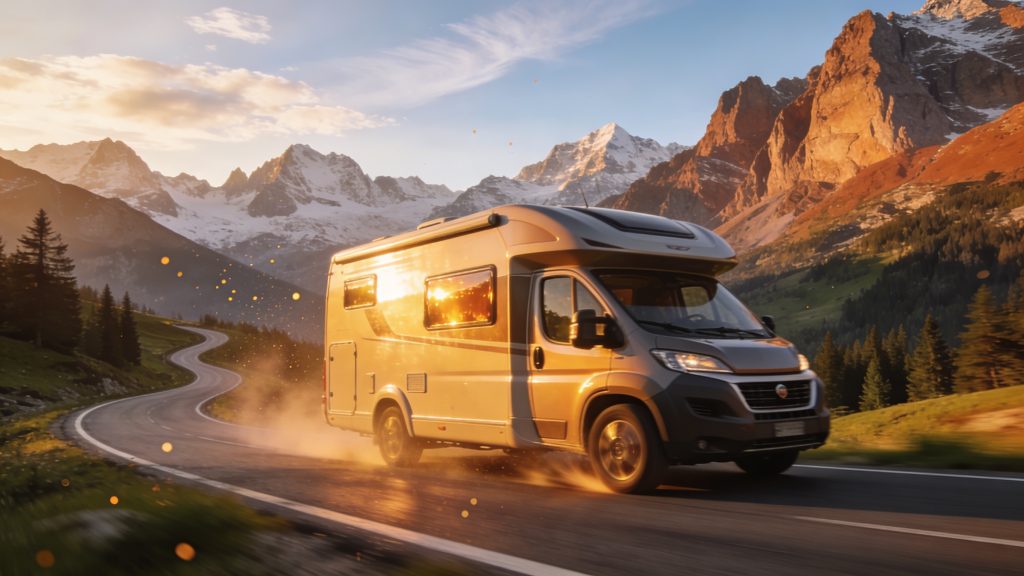
Taking an overcab motorhome on mountain passes is perfectly possible, provided you take account of height, weight and driving behaviour. Because of the fixed sleeping area above the cab, the vehicle is more sensitive to crosswinds and has a higher centre of gravity, which makes looking well ahead and changing gear smoothly even more important on steep slopes and narrow roads. What makes this camper type suitable for mountain routes and what should you pay attention to?
What makes an overcab motorhome different
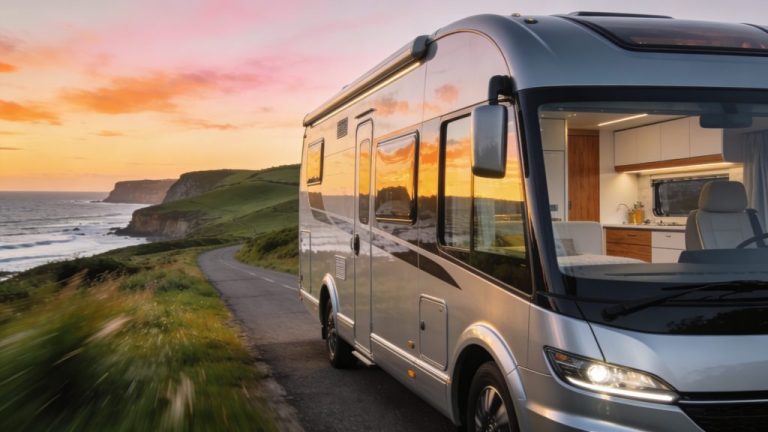
An overcab motorhome has a fixed sleeping area above the driver’s cab. This offers plenty of living space and storage. Families and larger travel parties benefit greatly from this. However, the extra coachwork makes the vehicle less streamlined than an A-class or low-profile motorhome. On mountain passes you notice this difference in driving behaviour, fuel consumption and wind sensitivity. Anyone who knows the different camper types well can better assess what an overcab requires in mountainous terrain.
The large bodywork creates more air resistance. Especially in windy conditions or at higher speeds this calls for a steadier driving style. The higher centre of gravity makes the vehicle more sensitive to gradients and bends. Longer models also need a wider turning circle on tight hairpin bends.
‘ This is especially noticeable with heavier or older motorhomes. ’
Why mountain passes require extra attention
Mountain passes often combine steep gradients, hairpin bends, narrow lanes and limited room to manoeuvre. On descents the motorhome can quickly pick up speed, while long climbs put heavy strain on the engine and brakes. This is especially noticeable with heavier or older motorhomes.
When descending, changing down and using engine braking or a downhill brake function is important to prevent the brakes from overheating. On long climbs you need to take account of the extra load on the engine. When driving fully loaded, both weight and fuel consumption increase. Older models are generally less manoeuvrable and energy-efficient than newer ones with modern engines.
Practical driving tips
Prevent problems by changing gear in good time and manoeuvring calmly. Make use of the power of the engine and plan your route in advance. The following tips will help you drive safely and comfortably in the mountains:
- Select a low gear before the climb or descent really starts.
- Brake briefly and firmly, not lightly for a long time. This helps prevent the brakes from overheating.
- Take bends wide. The overcab structure and overall length make the vehicle less manoeuvrable than a smaller panel van conversion.
- Choose quieter times of day to drive scenic mountain roads. Popular routes can get busy.
- Check weather and road conditions in advance, especially in spring and autumn. Many high alpine roads are seasonal.
- Avoid travelling fully loaded if it’s not necessary. Extra weight makes both climbing and braking harder.
Changing gear and braking on descents
On steep descents there is a strong temptation to brake lightly all the time. This quickly leads to overheated brakes. Change down into a lower gear in good time and let the engine do the work instead. Modern motorhomes often have a downhill brake function or engine braking system that helps on long descents. Use the footbrake only briefly and firmly when you need extra braking power.
Well-known mountain passes and what you need to know
Some well-known alpine routes are explicitly suitable for motorhomes, but do have tolls, major height differences and seasonal closures. The Großglockner High Alpine Road, for example, is a high alpine road between Salzburg and Carinthia with no vehicle restrictions for motorhomes and caravans. The route is usually only open from early May to early November and is impassable in winter. Overnight stays along the High Alpine Road are not permitted.
On some mountain roads there is a night driving ban between 20:00 and 07:00. This can be relevant, especially for larger overcab motorhomes, because you are less flexible about driving at other times than you would be with a passenger car. Always check in advance whether there are any specific rules for the route you want to take.
‘ An overcab motorhome is most comfortable for travellers who value space over speed. ’
Real-world experiences and points to note
In user experiences on motorhome forums, people often stress that the overcab design is noticeable in the mountains. The increased surface catching the wind plays a part in this. With low engine power you notice it even more on steep sections. Those driving with a less powerful engine find that speeds can sometimes remain low on steep gradients. That’s not a problem as long as you allow for longer travel times.
An overcab motorhome is most comfortable for travellers who value space over speed. On mountain passes this still provides excellent holiday drives, as long as you adjust your pace and look far ahead. The space and storage capacity are a major advantage for longer trips and for travelling with several people. When staying longer in the mountains, the living comfort outweighs the slightly less sporty driving characteristics.
Suitable or less suitable for mountain routes
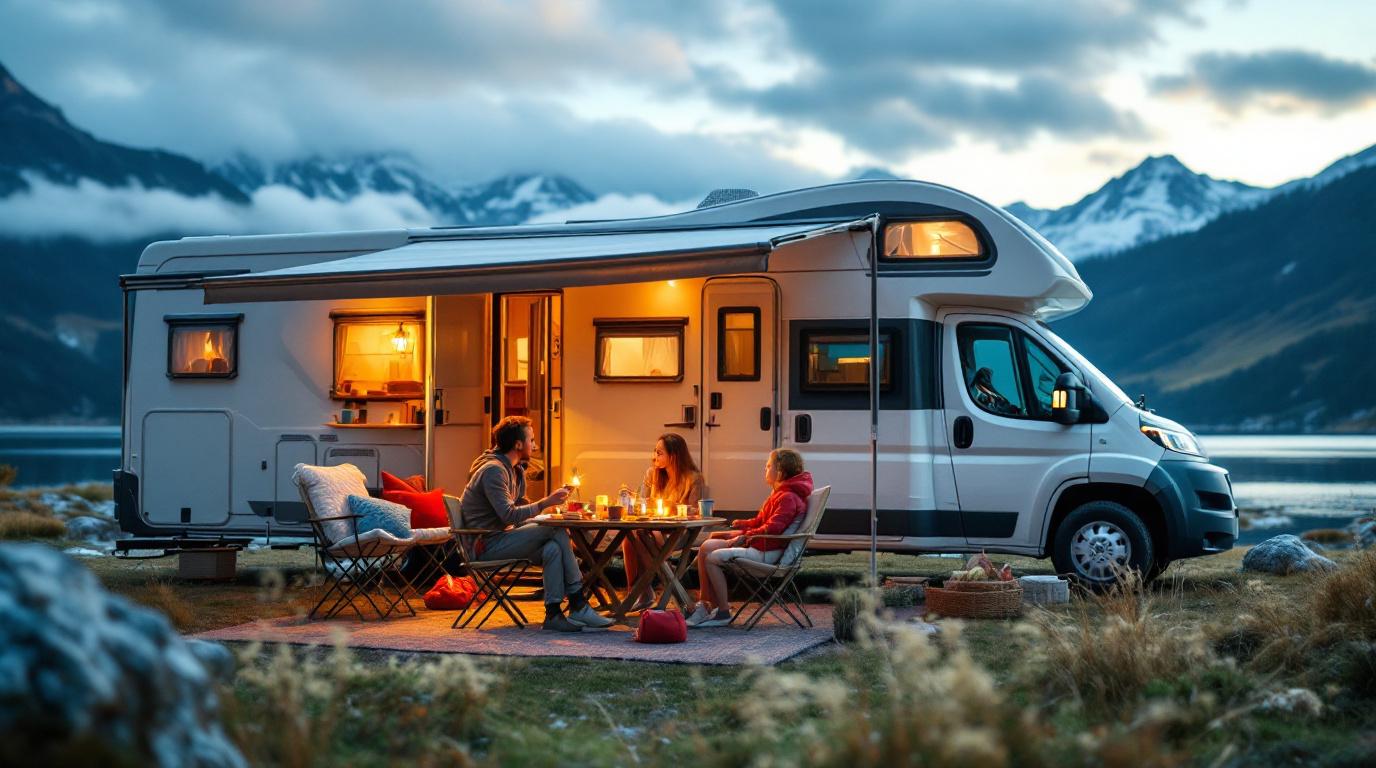
An overcab motorhome is very suitable if you are travelling with several people and comfort and space matter more to you than sporty driving. For families or groups this camper type offers many practical advantages, from extra berths to ample storage space for luggage and equipment.
An overcab is less ideal if you frequently drive very steep, narrow passes or have a less powerful engine. Length, weight and bodywork then work against you more quickly. In bad weather or strong winds, the height of the body is also noticeable. If you are planning lots of twisty mountain routes, it’s wise to check in advance whether the route is suitable for larger vehicles.
Preparation makes the difference
Calm driving, good route planning and attention to braking and weight make an overcab motorhome suitable for mountain passes. Check the condition of the brakes, tyres and engine beforehand. Make sure you know how the engine brake function works and what weight you are carrying. Prepare thoroughly and plan realistically. Then you can drive safely and comfortably through mountainous areas.
On the Traveler Tips website you can find more information about routes, camper types, preparation and practical tips for your next trip. For example, check which mountain passes are suitable for your camper type or how to put together a realistic route.
Frequently asked questions
Before you drive onto a mountain pass, check tyre pressure and tread, brakes (including brake fluid) and coolant, because brake and engine loads are much higher in the mountains. Make sure you do not exceed the permitted maximum weight and distribute the load low and evenly to compensate for the higher centre of gravity of an overcab motorhome. Check whether the engine brake/downhill brake works properly and practise changing down in advance so that you can climb and descend in a low gear without overloading the footbrake. If necessary, adjust your route planning (avoid extremely narrow/very steep passes, seasonal closures, night driving bans) and avoid travelling with maximum load if it’s not needed.
Select a low gear in good time before the climb or descent and use engine braking as much as possible instead of constantly braking to prevent the brakes from overheating. Drive with good forward vision and at a calm pace, because the higher centre of gravity and larger surface catching the wind make the overcab motorhome more sensitive in bends and in crosswinds. Take hairpin bends wide and steer smoothly, taking account of the vehicle’s length and rear overhang. Avoid unnecessary weight and check the route, weather conditions and any restrictions for motorhomes on the particular mountain pass in advance.
Plan your route with apps such as Campercontact, Park4Night, ACSI or dedicated motorhome satnav (Garmin, TomTom) where you enter your vehicle’s dimensions and weight, so that roads with height, width or weight restrictions are automatically avoided. For mountain passes, check official websites or mountain pass portals in advance for permitted vehicles, seasonal closures, maximum length/weight and any night driving bans. Opt for panoramic scenic routes and tourist mountain roads that explicitly allow motorhomes (such as well-known Hochalpenstrassen) and avoid small, local mountain roads without clear information. Allow extra time, drive in a low gear using engine braking and choose quieter times of day so you can enjoy the best views.
With an overcab motorhome, fuel consumption on mountain passes is higher because of weight and air resistance, so allow for lower speeds and more frequent refuelling, especially on long climbs. Plan regular breaks to let the brakes and engine cool down, particularly after long descents where you are using engine braking and short, firm braking actions. Wherever possible, choose rest areas or parking spots before or after the steepest sections, so that you do not have to stop on narrow stretches. For overnight stays, pay attention to local regulations: wild camping or overnighting is not allowed everywhere along mountain roads, and some passes have night or parking restrictions.