 NL
NL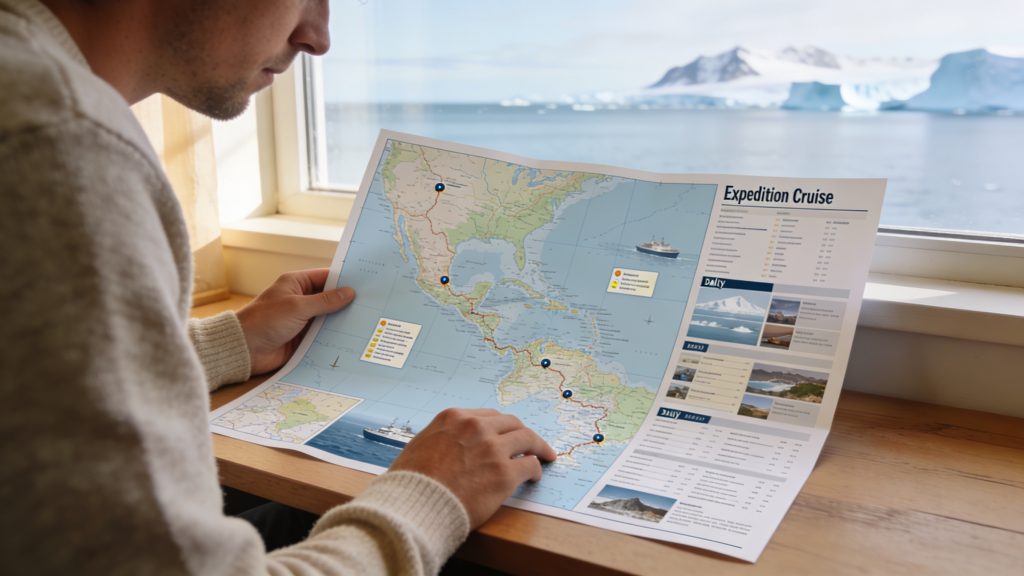
Booking an expedition cruise is not a standard cruise reservation: you are not only choosing a ship and cabin, but also a trip with strict seasons, limited capacity and often extra logistics around flights and documents. If you book early for popular dates, reserve a cabin with a window for the best possible views and sort out visas and flights straight away, you greatly reduce the chance of disappointment. Discover how to approach the booking process smartly and what you really need to pay attention to.
Why expedition cruises are booked differently from regular cruises
With expedition cruises the focus is on adventure, and that has consequences for planning. The ships are smaller. The routes are seasonal. The choice of cabin types is often limited. Popular departure dates sell out quickly, especially in high season.
The routes are flexible. They depend on conditions on the spot. That makes these journeys unique, but it also calls for a different approach. You are not just booking a cruise. You are booking a journey to remote regions. These areas have strict safety rules and limited capacity.
The logistics require more attention. Think of flights and transfers. You often fly to far-flung departure ports such as Ushuaia or Longyearbyen, where international flights are not always available daily. The required documents also take extra time. Good preparation helps you avoid delays and missed embarkations.
‘ The best possible wildlife experience depends on timing. ’
First decide on destination and travel period
Expedition cruises are highly seasonal. You visit Antarctica between November and March. Svalbard between May and September. For Greenland you choose the summer months. Your choice of destination also determines your travel period.
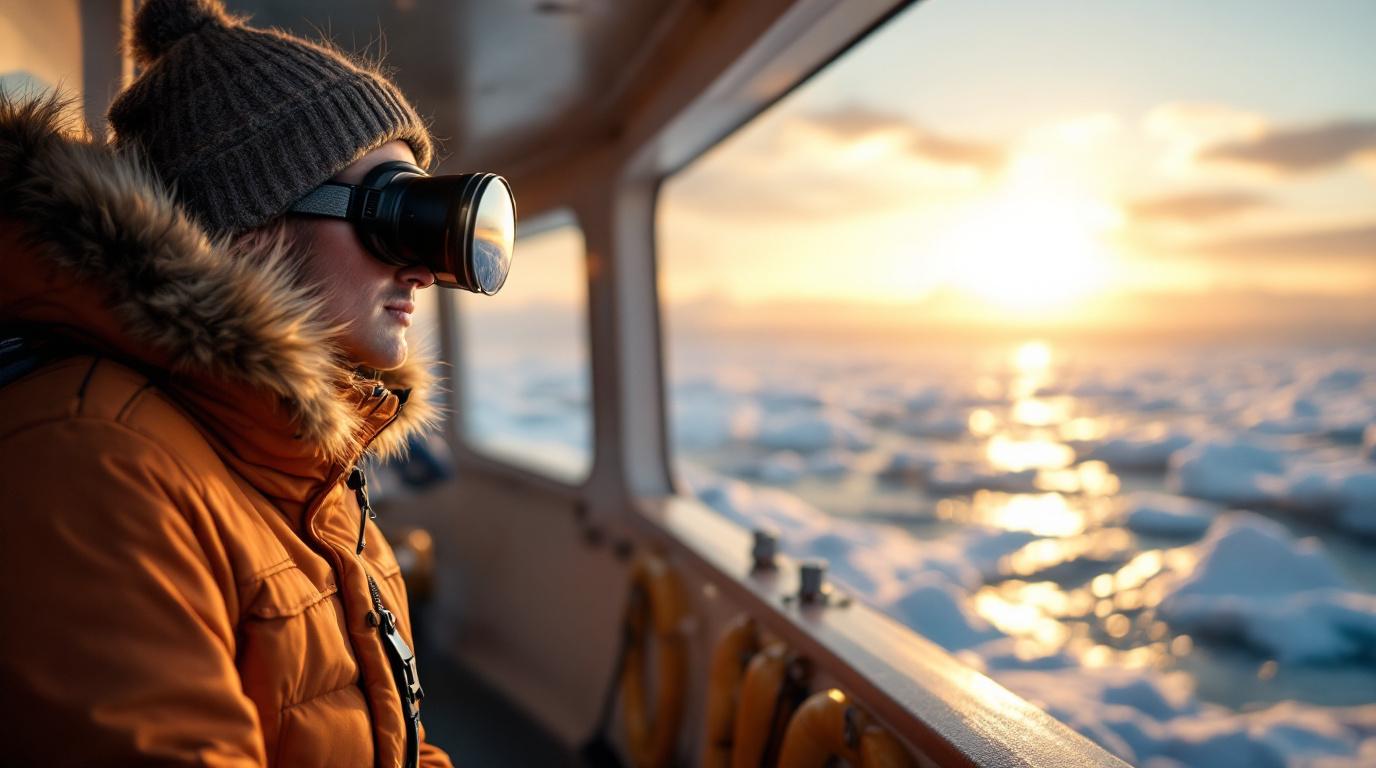
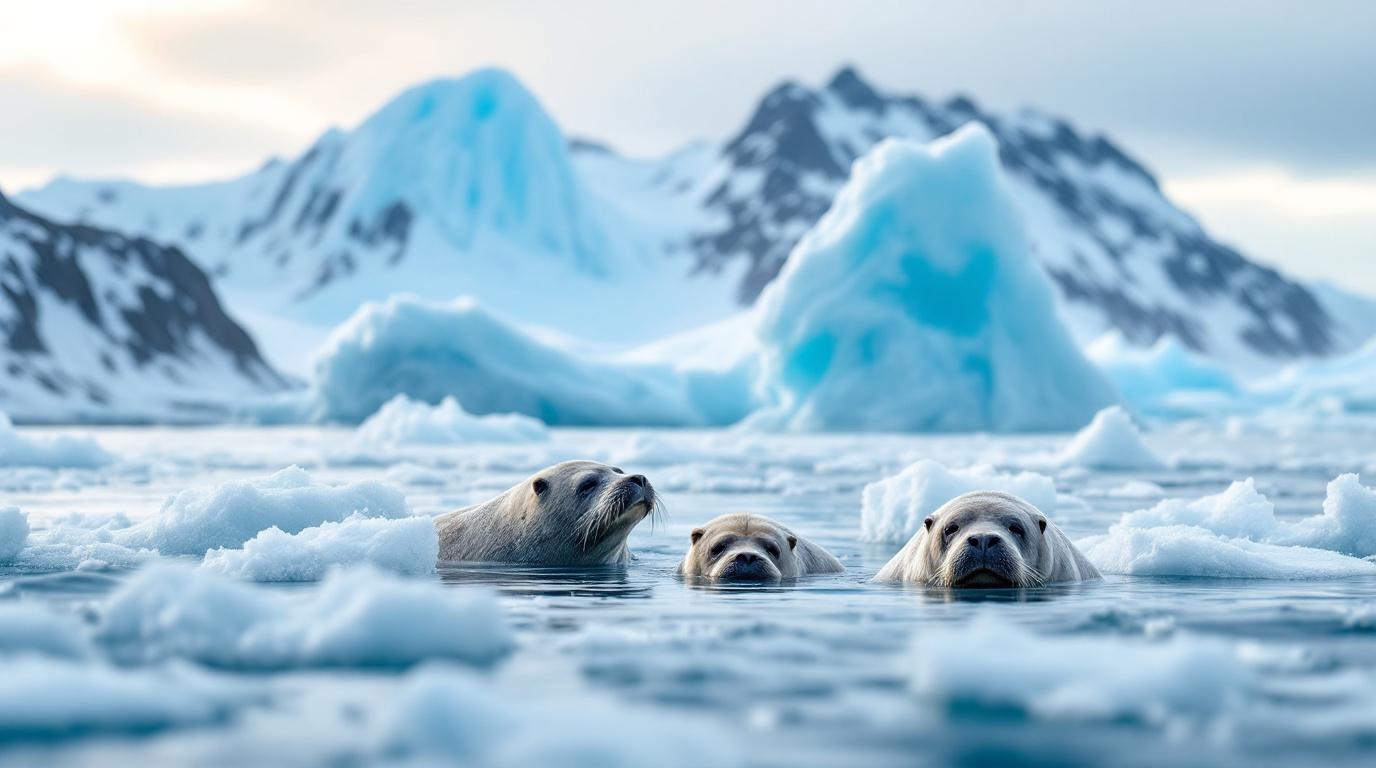
Each destination has its own highlights. In Antarctica you see penguins and icebergs. Svalbard is known for polar bears and glaciers. In Greenland you get to know Inuit culture and spot whales. The best possible wildlife experience depends on timing.
Also consider the length of the trip. Expedition cruises range from one week to several weeks. Longer trips offer more landing opportunities and variety. They do, however, require more time and money.
Booking early gives better choice and price
The capacity of expedition ships is limited, often between 50 and 200 passengers. Popular departure dates are fully booked months in advance, especially in high season and around public holidays.
Early booking discounts are common. Cruise lines often offer attractive fares for those who book a year or more ahead. In addition, you have more choice of cabin types and have time to arrange flights and insurance in a relaxed way.
Those who book late run the risk that only the most expensive cabins are still available or that the desired departure date is already full. This applies even more to specific routes such as South Georgia or the Northwest Passage.
Choose the right cabin for your needs
The cabin you choose determines comfort and price. Expedition cruises offer various categories, from simple inside cabins to luxury suites with balcony. Not every cabin is equally suitable for long journeys in cold regions.
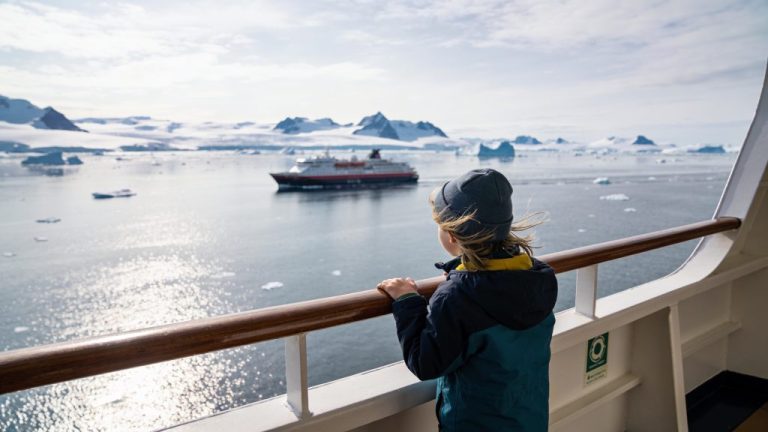
A cabin with a window or porthole offers views of the water and icebergs. That makes a difference during days at sea and in the early morning hours when wildlife passes by. Cabins without windows are cheaper, but miss out on this advantage.
Pay attention to the location on the ship. Cabins in the middle of the ship experience less movement in rough seas. Cabins on lower decks are often quieter than those close to public areas. For people who are prone to seasickness, a central, low position is the wiser option.
‘ International flights are almost never included. ’
What usually is and isn’t included in the price
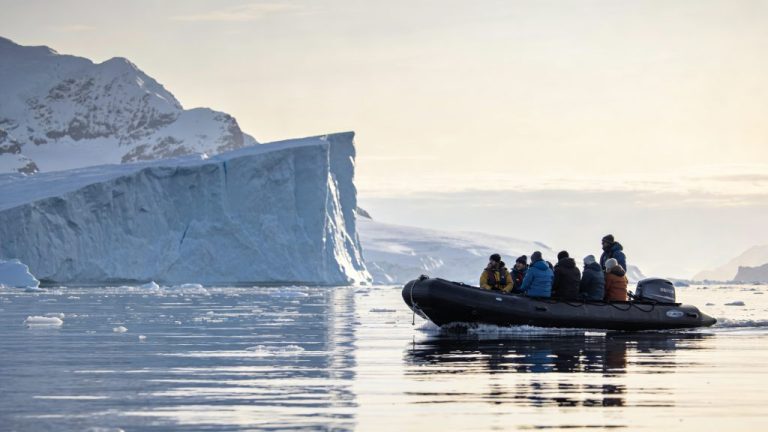
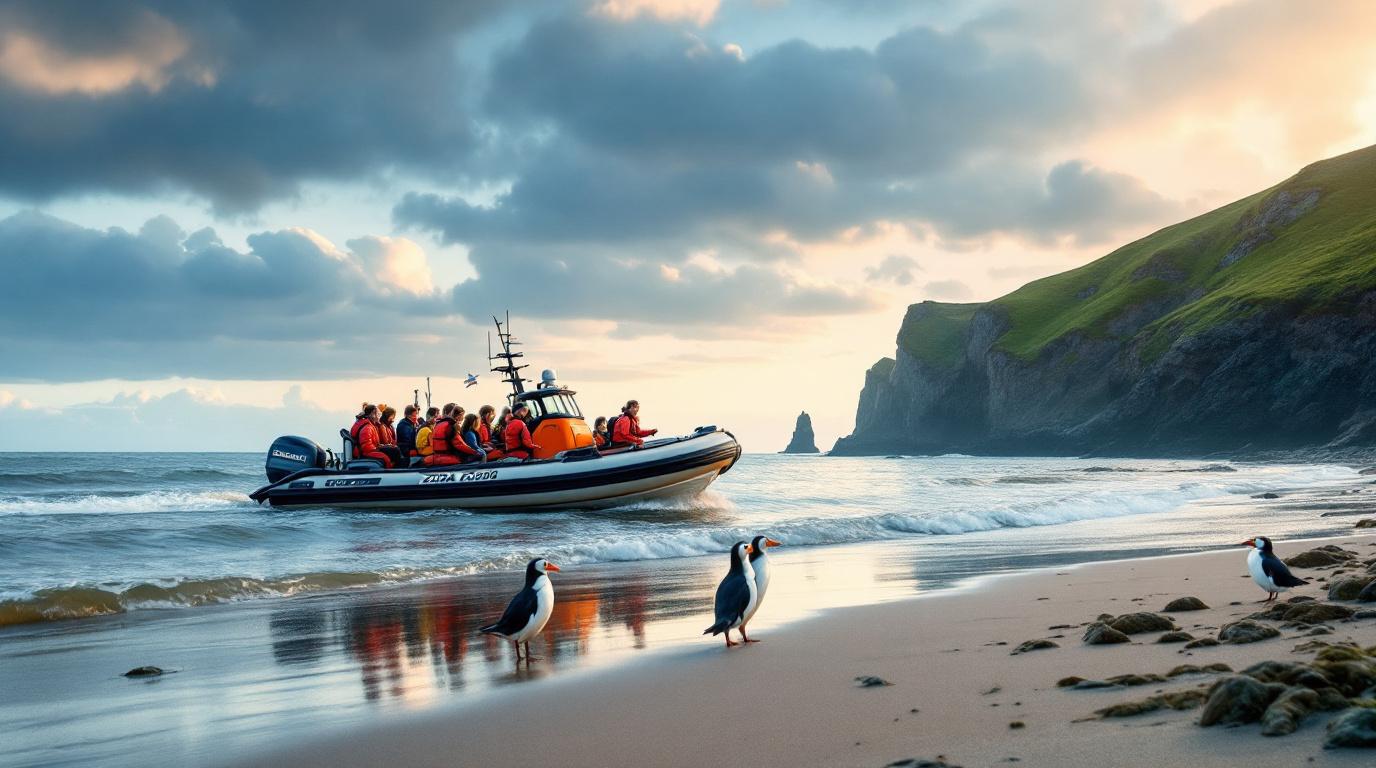
Expedition cruises sometimes seem expensive, but many things are already included. Accommodation on board and meals are part of the package. The use of Zodiacs (small rubber boats for landings) and lectures by the expedition team are often included too. Some cruise lines also include airport and port transfers or a hotel night before departure.
There are, however, extra costs. International flights are almost never included. You also pay separately for travel and cancellation insurance. In addition, you will encounter extra costs such as drinks, tips and optional activities. Activities such as kayaking or special workshops must be paid for separately. Excursions before or after the cruise also fall outside the standard price.
So don’t just compare the base fare, but calculate the entire package. Flights to Ushuaia or Reykjavik can be quite expensive. Also add the costs of insurance, hotel nights and any surcharges to get a realistic picture.
Step-by-step plan for booking a trip to Antarctica
Antarctica is a popular destination and requires careful preparation. Follow these steps for a smooth booking process:
- Decide on your travel period: November for icebergs and seals; December to January for penguin chicks; February to March for whales and longer days.
- Choose a cruise line and ship: compare ship size, comfort, number of landings and the ratio between crew and passengers.
- Select your cabin: book at least six to twelve months in advance for the best choice.
- Arrange your flights to Ushuaia: allow at least one day’s buffer before departure and on your return.
- Check passport validity: your passport must be valid for at least six months after you return.
- Take out travel and cancellation insurance that provides cover for remote regions and expedition activities.
- Prepare for medical requirements: some cruise lines ask for a medical certificate or certain fitness level.
Antarctica cruises almost always depart from Ushuaia. This city is in Argentina. Most travellers fly via Buenos Aires. Allow for delays and preferably book an extra hotel night before embarkation.
Pay attention to visas and travel documents for remote destinations
Remote regions have specific requirements for documents. For Russia, Greenland or certain islands you may sometimes need a visa. This can take weeks or even months.
Passports often must be valid for at least six months after you return. Check this well in advance, as renewal takes time. Some countries also require an electronic travel authorisation. This applies, for example, to Canada or the United States.
Ask the cruise line or travel company which documents are needed. They often have an overview of the requirements for each route. Do not wait until the last minute, because missing documents can lead to being refused boarding.
‘ Book flights with at least one day’s buffer before embarkation. ’
Arrange flights and transfers with enough buffer time
Many expedition cruises depart from remote ports. Ushuaia and Longyearbyen are often not reachable by direct flight. The same goes for Reykjavik or Punta Arenas. Connections and stopovers require careful planning.
Book flights with at least one day’s buffer before embarkation. This way you avoid delays or missed connections causing you to miss your cruise. Many cruise lines explicitly ask for this buffer.
It is also sensible to have a buffer after the cruise. Routes are flexible and disembarkation can be later than planned due to weather conditions. A hotel night on both sides of the cruise offers peace of mind and certainty.
Check terms and cancellation policy carefully
Expedition cruises often have stricter conditions than regular cruises. A deposit sometimes has to be paid months in advance, and the balance is due several months before departure. Cancellation fees can be high, especially on smaller ships.
Routes can change. Causes include weather conditions or ice issues. This is normal on expeditions, and cruise lines are not obliged to refund costs because of it. Read the small print about route changes, departure guarantees and minimum numbers of participants.
Also ask about your rights to change the booking. Can you move your booking to another date? What happens in case of illness or personal circumstances? A good cancellation insurance often covers these risks better than the standard terms of the cruise line.
Choose between cruise line, travel company or specialist
You can book an expedition cruise directly with the cruise line, via a specialised travel company or through a cruise expert. Each has its advantages.
Booking with the cruise line gives you direct information. There are sometimes exclusive offers as well. Travel companies and specialists offer personal advice. They help with choosing a cabin and know the differences between ships and routes. They often arrange flights, transfers and insurance as a complete package.
Always ask in advance exactly what is included, which extra costs you can expect and which cabin best suits your budget and travel style. Compare several providers to get the full picture.
‘ In remote regions medical care is limited. ’
Prepare for physical and medical requirements
Not every expedition cruise requires top fitness, but a basic level of mobility helps. You need to be able to get in and out of Zodiacs. You also have to be able to walk on wet and uneven ground. Think as well about coping with cold and wind. You may also have to deal with seasickness.
Some cruise lines ask for a medical certificate or certain fitness level. Discuss any doubts in advance with the operator. Ask how demanding the landings are and whether there are alternative options for less mobile travellers.
Consider medication and medical help too. In remote regions medical care is limited. Take enough medication with you and check whether your insurance covers repatriation and evacuation.
Take out suitable insurance for expedition cruises
Good insurance is especially important for expedition cruises. Medical help is often far away and evacuation can be expensive. Changes to your trip due to weather or ice are more common than on regular cruises.
Check whether your policy covers medical costs in remote regions. Cover for cruise and expedition activities is also important. Think of Zodiac trips and walks. Furthermore, the policy must cover cancellation in the event of unforeseen circumstances. Cover for extra costs due to route changes or delays is important as well.
Take out insurance immediately after booking. That way you are covered for unforeseen circumstances between booking and departure. Many policies only cover cancellation if the insurance is taken out within a certain period after booking.
Expect flexibility instead of a fixed daily schedule
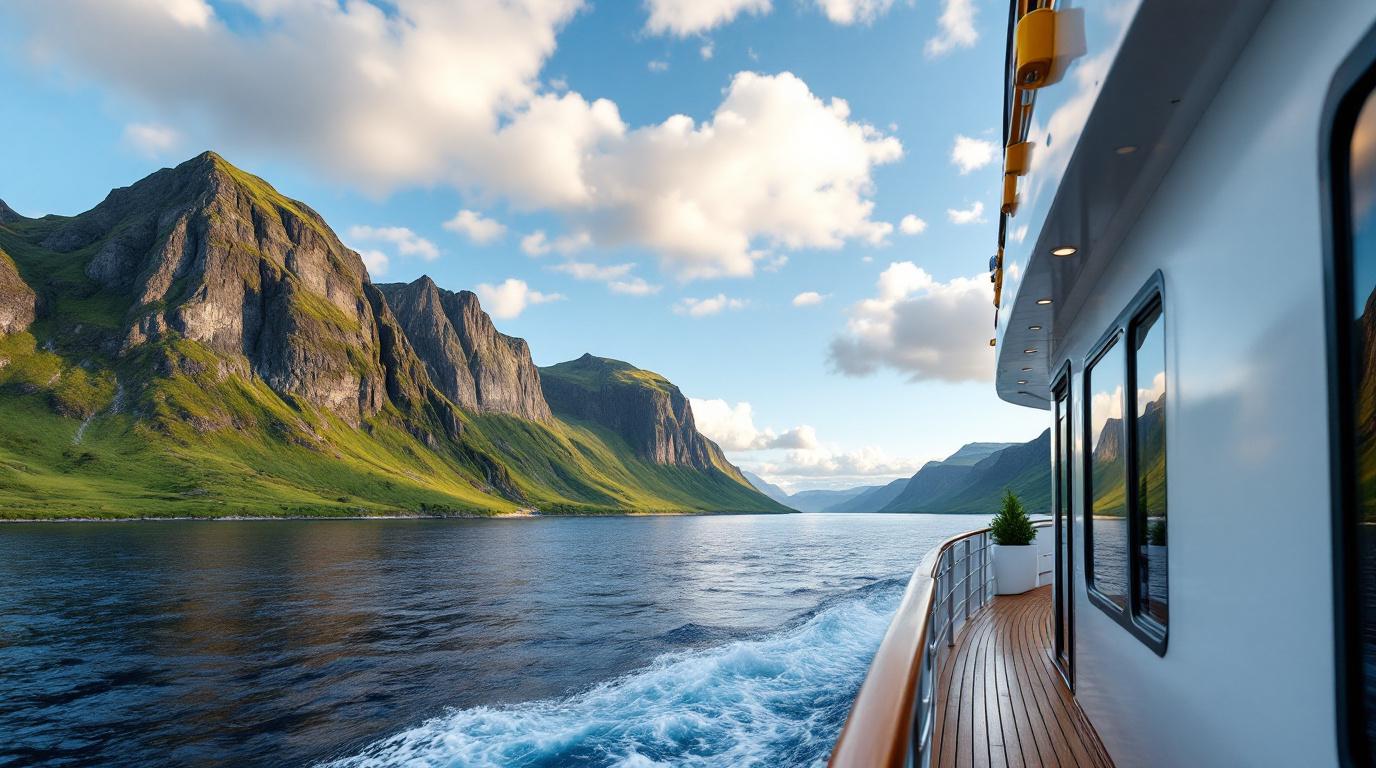
On expedition cruises the departure and arrival dates are fixed, but the daily route is dynamic. The captain and expedition leader adjust the route. They take weather and ice into account. Safety and wildlife opportunities also play a role.
Landings depend on conditions. Some stops may be replaced by alternatives. This is not a shortcoming, but rather a feature of expeditions. Flexibility often makes the experience better and leads to unique moments.
Book an expedition cruise with the mindset that you are travelling to a region instead of wanting to tick off specific ports. That prevents disappointment and increases the enjoyment of the trip.
Calculate your total budget in advance
Make an overview of all costs in advance to avoid surprises. Work out the full picture:
- International flights to and from the departure port
- Travel and cancellation insurance
- Transfers and hotel nights before and after the cruise
- Tips and drinks on board
- Optional activities such as kayaking or workshops
- Visas and any permits
- Reserve budget for unexpected costs
This total overview gives a realistic idea of the investment. Expedition cruises are often more expensive than they first appear, but they also offer a unique and comprehensive experience.
Discover more about travelling to extraordinary destinations
Booking an expedition cruise requires more preparation than a standard trip, but it delivers a unique experience. Booking early, choosing the right cabin and handling documents and insurance carefully makes all the difference.
On the Traveler Tips website you will find much more information about cruises, trip preparation, destinations and smart planning tips. Discover handy guides, practical checklists and reliable information that helps you prepare better for your next trip.
Frequently asked questions
First compare destinations, season and ship size, and decide which activities (such as Zodiac trips, walking, kayaking, photography) are essential for you. Then look at each trip to see what is and is not included (excursions, transfers, equipment, tips, drinks) and calculate the total travel budget, including flights and hotels. Pay attention to the passenger-to-guide ratio, the number of planned landings and the flexibility of the route, because these strongly shape the experience. Finally, choose the provider or specialist who gives clear advice on cabin choice, terms and insurance, and who best matches your comfort level and price limit.
During the online booking process you first choose the destination, travel period and type of expedition cruise, after which you select a specific ship, route and cabin. Next, you check the travel conditions (cancellation, included and not‑included costs), fill in your personal details and finish with payment and any extras such as flights or excursions. Reliable information about the cruise line and the ship can be found on the official website of the cruise line and from specialised expedition travel agencies that compare several lines. Pay attention to aspects such as number of passengers, expedition team, safety standards and independent reviews.
Yes, there are various flexible options and possibilities for adjustments within the booking process. Among other things, you can choose the destination, trip duration, ship size, type of activities and level of comfort yourself. There is often also a choice of cabin categories and which extras (such as optional excursions or activities) you add. Through a specialist you can also have the package tailored further to your wishes and the degree of control you would like over the trip.
Check exactly what is and is not included in the price (flights, transfers, excursions, equipment, drinks, tips and any compulsory surcharges). Read the cancellation and change conditions carefully, including rules on minimum numbers of participants, route changes and what happens in case of cancellation due to weather or ice. Look at the requirements for passport, visas, medical certificates, compulsory insurance and any age or fitness conditions. Finally, check whether there are extra costs for optional activities (such as kayaking or special excursions) and how payment and deposit deadlines are arranged.
Choose a cruise line and ship whose comfort level, size and number of passengers match how you normally travel (small and intimate vs. larger and more luxurious). Compare the expedition character of the route: how many landings there are, which activities are offered and how much flexibility there is, so that it fits your way of travelling. Pay extra attention to cabin choice (location, space, windows/balcony) and the included services, so that the level of service matches what you are used to. Discuss your expectations explicitly with a specialised provider, so that they can recommend an expedition that truly suits you in terms of experience and comfort.